Trust Coastal Property Restoration For Rapid Relief And Peace Of Mind
Swift Water Damage Cleanup and Restoration
Water Damage Restoration in Daniel Island, SC
- Dealing with a devastating water-related event in your home or business is a truly traumatic experience. What starts as a small leak can quickly escalate into a situation where your property is flooded with water. Your most cherished belongings and important business documents are ruined. You're left with a catastrophe on your hands, and with every minute that passes, things seem to get worse. Within 24 hours, the most important people in your life are now at risk because of compromised water containing harmful bacteria and allergens.
- If you've never experienced the effects of water damage, be thankful. But those who have had to endure such an unwelcome experience know first-hand how important it is to get the water cleaned up ASAP. That's where Coastal Property Restoration swoops in to save the day. From roof leaks and busted pipes to sump pump malfunctions and natural disasters, Coastal Property Restoration provides water damage clean-up in Daniel Island, SC, when you need professional service and peace of mind most.
Service Areas
A Water Damage Restoration Company You Can Trust
At Coastal Property Restoration, our water damage mitigation company is always prepared to respond quickly to water damage emergencies. That's because we truly care about our customers and never subject them to half-measures or mediocre work. At the end of the day, we're passionate about restoring the lives of home and business owners who are devastated, confused, and looking for trustworthy water damage restoration.
To help achieve that goal, we use years of expertise and modern, state-of-the-art equipment to remove moisture and standing water from your property. In doing so, we can help protect your family or staff while restoring your quality of life. But you've got to act fast - damage from water in your home or business can spread quickly and just affect every aspect of your property, from its roof to its foundation.
So, if you're trying to put the pieces back together after a water loss, it's time to contact Coastal Properties LLC. With one call, our team of experts will arrive at your home or business to remediate your water damage in Daniel Island, SC, using advanced tools, superior drying techniques, and detailed documentation. We aim to restore your property to its pre-loss condition so you can return to living a normal life again.
The Coastal Property Restoration Process
Our team of licensed and insured water damage clean-up professionals uses a streamlined process to address your needs ASAP:
- Assess: We assess the extent of your water damage by conducting a thorough inspection.
- Mitigate: Our technicians get to work quickly to mitigate and prevent further damage to your home, business, and belongings.
- Recover: Our water damage restoration experts help you recover from your water emergency with a focus on restoring your property to its pre-loss condition.
Dealing with an emergency that needs to be addressed sooner than later? With 24-hour service, we're here for you day and night, no matter how severe your water damage issue may be.
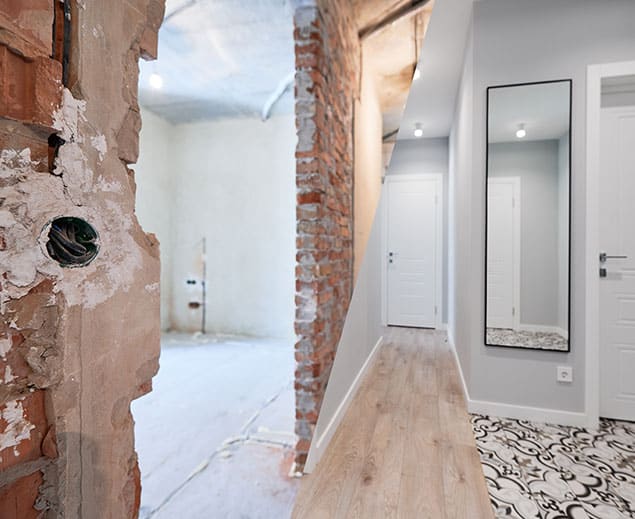
What Causes Water Damage Your Home?
Water is undoubtedly essential for our planet, but it can also be incredibly destructive. Among all the potential disasters that could harm your property, water damage ranks high. It has a tendency to sneak into small, unnoticed areas where it can cause warping and discoloration, whether it's from a severe thunderstorm or a tiny leak. Even a small amount of water can be deceptively expensive, costing thousands of dollars if not addressed immediately.
The most concerning part is that it can happen in an instant, catching you and your family off guard. However, by keeping these common causes of water damage in mind, you can take steps to prevent water from causing damage to your property.
Unsure what might be causing water to enter your home in South Carolina? Call Coastal Property Restoration as soon as you can so our team can come to your property and conduct an inspection.
Get a Quote
In the United States, South Carolina is among the top five states with the greatest number of hurricanes, with a total of 30 making landfall. This accounts for 10.10% of all the hurricanes in the country. While five of those hurricanes were classified as being major (Category 3), smaller hurricanes and even minor rain showers can result in significant water damage clean-up in Daniel Island, SC.
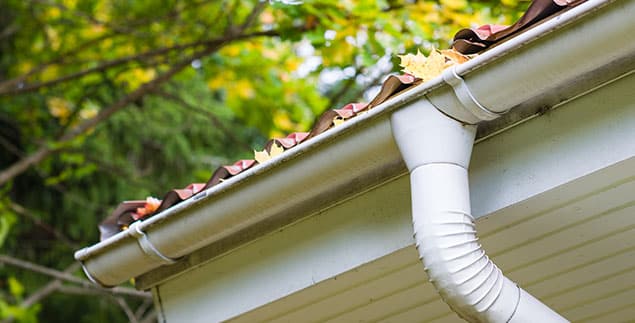
Properly functioning gutters are essential for directing water away from your home, especially during fall leaf season when clogs are common. However, when gutters do become clogged, rainwater can accumulate and flow over the edges, causing potential leaks into your attic, walls, or basement. It's important to ensure your gutters are free of debris to prevent any water damage to your home.
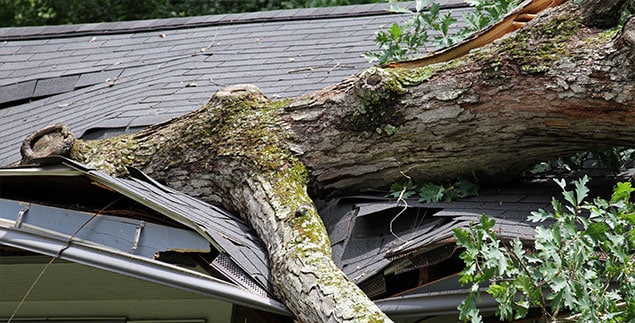
Water heaters that are old or not properly installed have a tendency to develop leaks. Sadly, these leaks can be quite severe and result in the accumulation of several inches of water in your basement or crawlspace.
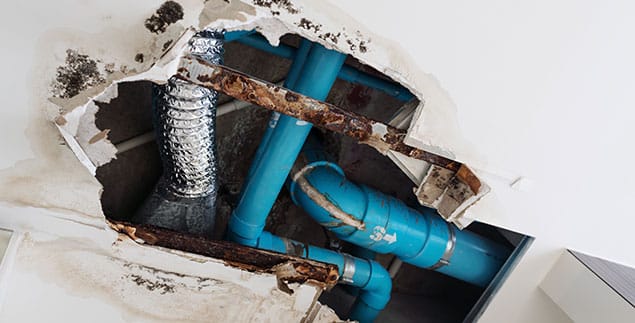
Pipe leaks may start small, but they can have devastating consequences. Whether it's loose-fitting pipes under your kitchen sink or old drainage systems under your home, water from a leak can cause serious damage to your property. Not only can it ruin prized possessions and warp wallpaper, but it can also create conditions for mold growth, even with just a small amount of moisture present. It's crucial to address any leaks as soon as possible to prevent further damage.
Some other common causes of water damage in residential homes include the following:
- Overflows (sinks, bathtubs, toilets)
- Sprinkler Systems (accidents & malfunctions)
- Clogged Drains (hair, grease, dirt, etc.)
- Washing Machines (compromised PVC supply line)
- AC Condensation (clogged condensate line, damaged drain pan)
Water Damage in Daniel Island, SC: Restoration vs. Mitigation vs. Remediation
As a reputable water damage restoration company in South Carolina, we get questions all the time from misinformed customers asking what the differences are between restoration, mitigation, and remediation. We get it - to the untrained individual, they all sound about the same. But each serves a special purpose in the process of eliminating water from your home or office.

Water Damage Mitigation
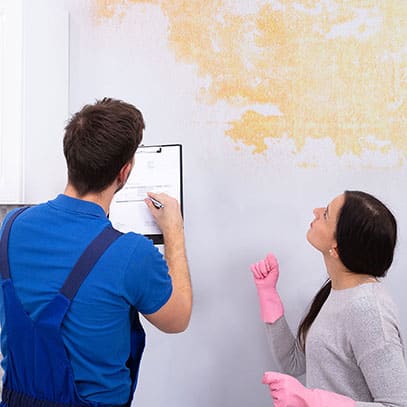
You can think of water mitigation as an emergency response meant to stop and contain water so that it doesn't cause any more damage to your property. Often, mitigation includes an inspection of the damaged area and an advanced water extraction process to ensure a hazard-free workplace.
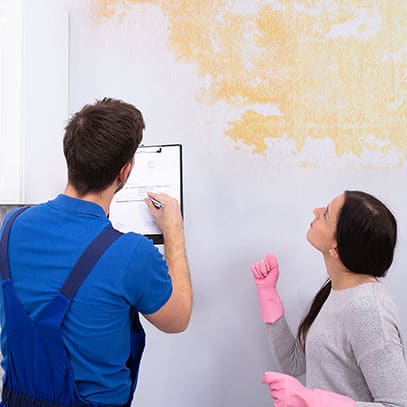
Water Damage Remediation
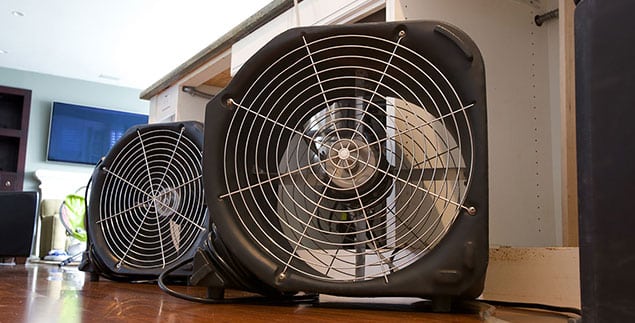
This stage often involves a detailed clean-up and removal of residual water from the property. Water damage techs will also remove furniture and other items affected by the water damage and dispose of any contaminated materials. During this phase, blowers and pumps may be used to dry areas of the property. Sometimes, boards or tarps are used to protect the property as needed. From there, a final cleaning usually takes place that can include deodorizing and sanitizing items that can be salvaged from water damage. It should be noted that sometimes water mitigation and remediation overlap. For instance, remediating a contaminant from an area of your home might involve mitigating damage to something like a pipe that has burst.
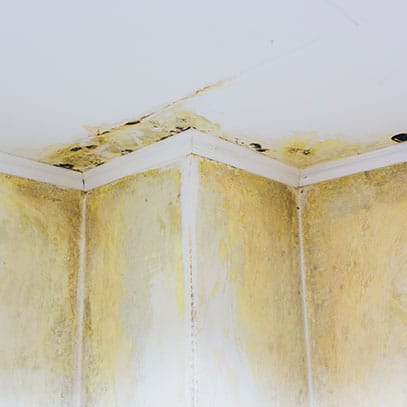
Water Damage Restoration
In this final stage, water damage restoration professionals help ensure that moisture levels in the impacted areas are back to normal. They take care of replacing the damaged drywall, repairing the floors that have buckled, and fixing the ceilings affected by water. Additionally, they clean and restore the items that are still in good condition. All of these measures are taken to bring your property back to its original state before the damage occurred. Think of it like this: Water remediation focuses on completing temporary tasks, while restoration centers around more permanent solutions.
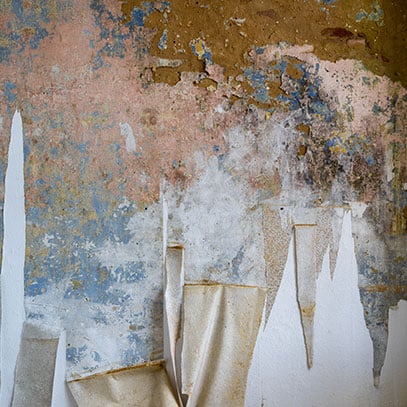
While the water damage clean-up steps listed above might sound interchangeable, each addresses a crucial step in the remediation process. If you're working with a water damage restoration company and they tell you otherwise, know that they're perpetrating a myth. Speaking of myths, here are a few of the most common ones that we have run across in our time as water restoration experts.
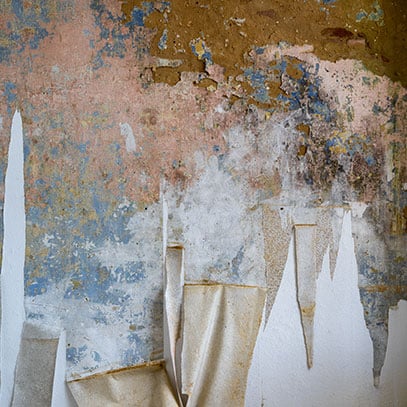
You can think of water mitigation as an emergency response meant to stop and contain water so that it doesn't cause any more damage to your property. Often, mitigation includes an inspection of the damaged area and an advanced water extraction process to ensure a hazard-free workplace.
 Call Now
This stage often involves a detailed clean-up and removal of residual water from the property. Water damage techs will also remove furniture and other items affected by the water damage and dispose of any contaminated materials. During this phase, blowers and pumps may be used to dry areas of the property. Sometimes, boards or tarps are used to protect the property as needed. From there, a final cleaning usually takes place that can include deodorizing and sanitizing items that can be salvaged from water damage. It should be noted that sometimes water mitigation and remediation overlap. For instance, remediating a contaminant from an area of your home might involve mitigating damage to something like a pipe that has burst.
 Call Now
In this final stage, water damage restoration professionals help ensure that moisture levels in the impacted areas are back to normal. They take care of replacing the damaged drywall, repairing the floors that have buckled, and fixing the ceilings affected by water. Additionally, they clean and restore the items that are still in good condition. All of these measures are taken to bring your property back to its original state before the damage occurred. Think of it like this: Water remediation focuses on completing temporary tasks, while restoration centers around more permanent solutions.
While the water damage clean-up steps listed above might sound interchangeable, each addresses a crucial step in the remediation process. If you're working with a water damage restoration company and they tell you otherwise, know that they're perpetrating a myth. Speaking of myths, here are a few of the most common ones that we have run across in our time as water restoration experts.
 Call Now
Myths About Water Damage Restoration in Daniel Island, SC
When it comes to water damage restoration, there's a lot of information out there that can be misleading or downright incorrect. This can be especially frustrating for property owners who are caught off guard by unexpected leaks or floods. To make matters worse, there are several common myths about water damage that can actually make the problem worse if you're not aware of them. To help clear things up, we've debunked three of these myths below.
It's important to remember that water damage can often go undetected. Water has a sneaky way of hiding in all sorts of nooks and crannies throughout your home, including behind walls, in carpets, under floors, and in ceilings. The problem with these materials is that they're porous, which means they not only hide water, but they also absorb it. Even if it appears that everything has dried out, the moisture that's lurking beneath the surface can still cause serious damage over time.
That's why it's crucial to take action and not let water dry on its own. If left untreated, it won't simply evaporate; it will be absorbed. Fortunately, the expert technicians at Coastal Property Restoration are equipped with top-of-the-line equipment to help locate and eliminate any hidden moisture or trapped water. You can trust us to thoroughly dry out your home and protect it from any further damage.
Dealing with water damage restoration and preventing further damage requires swift action, as time is of the essence. The longer water remains, the more extensive the damage becomes. The response window is narrow, less than 24 hours, and within this timeframe, mold growth may occur, creating an entirely new set of issues. Plus, salvaging materials in your home after prolonged exposure to water is challenging, so the best course of action is to respond immediately to water damage.
We understand that this can be challenging, but working with a reputable water damage cleanup service like Coastal Property Restoration can make all the difference. Our team can respond promptly and efficiently, allowing you to focus on your life while we take care of your home. The bottom line? If you've got water in your home or business, don't waste any time. Call a trusted water damage restoration company ASAP to minimize losses, mitigate damage, and prevent the risk of mold.
The saying, "Everything heals with time," is not a phrase that applies to mold in your home or business. As mentioned above, it's important to act quickly when dealing with water damage, as mold can begin to grow in as little as 24 hours. The musty odor that comes with mold won't stay contained to the affected area; it will eventually spread throughout your entire home.
It's crucial to take the necessary steps to stop mold growth and spread, including proper water extraction, drying, dehumidification, and sanitization. Additionally, any saturated materials, such as couches, carpets, floors, and drywall, must be treated properly to eliminate the musty smell. To ensure your home is fully restored and smelling fresh after water damage, it's best to have a professional clean-up crew go through each step of the process to guarantee no moisture is left behind.
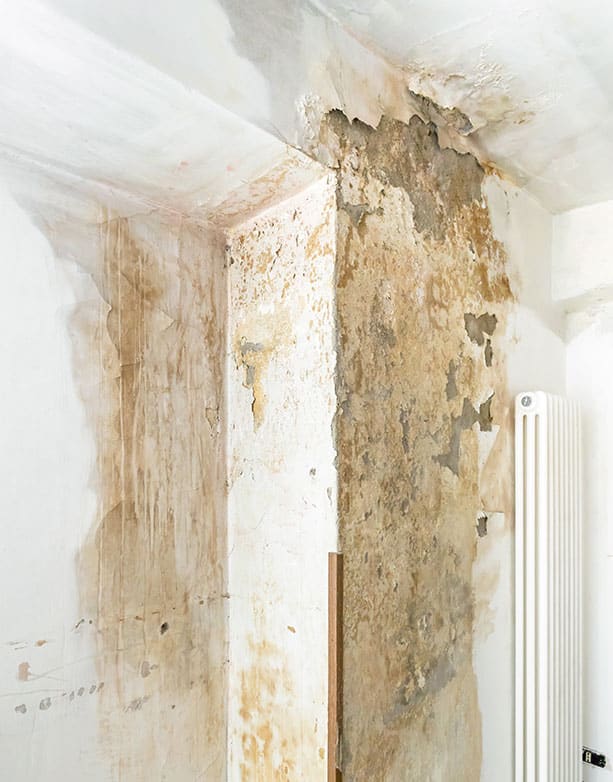
Getting Back to Business: Common Signs of Commercial Water Damage in Daniel Island, SC
Water damage can be a major setback for any commercial property and business, causing loss of revenue and productivity. But fear not; Coastal Property Restoration has got your back with skilled technicians and reliable water damage restoration services. As a savvy business owner, however, it's important for you to stay vigilant and look out for early signs of water damage to your property so you can take action before it becomes a major problem.
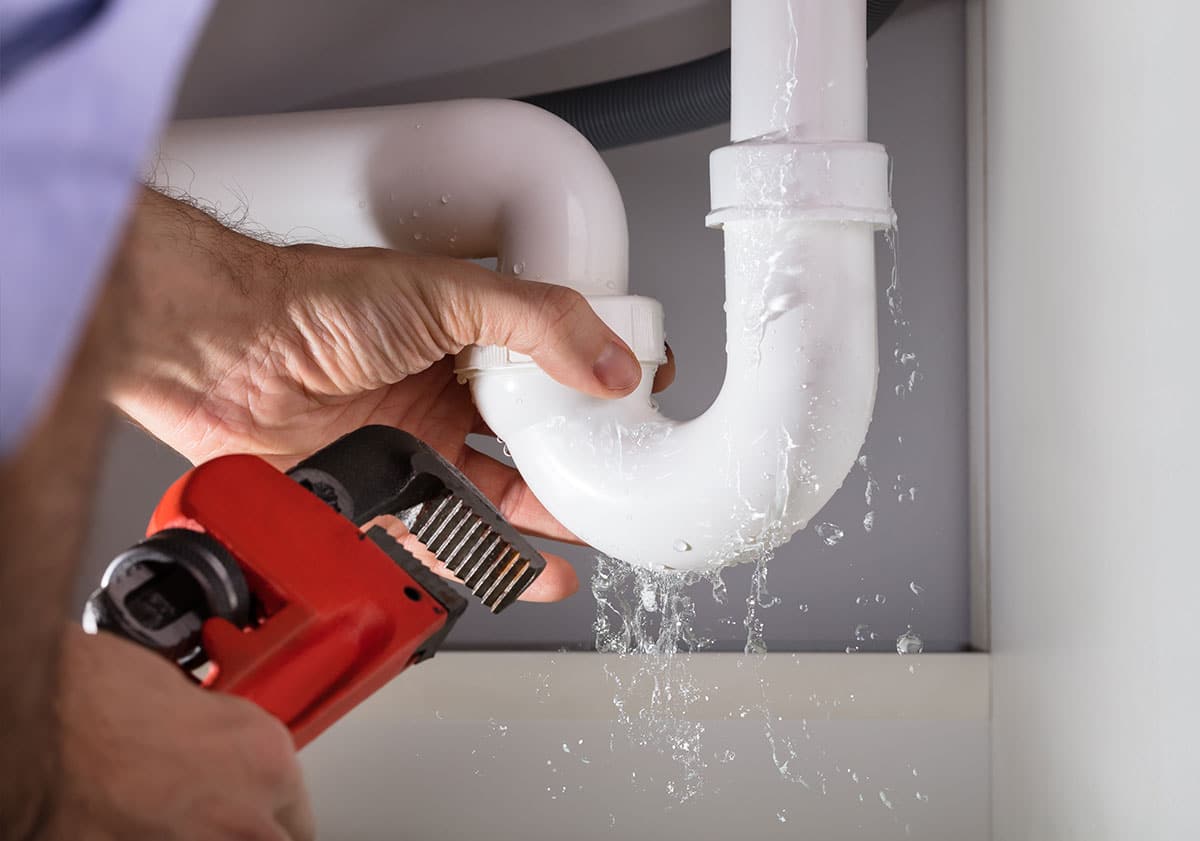
Inspect Your Piping
It's important to thoroughly inspect the piping both inside and outside the building. Pay close attention to any signs of oxidation or corrosion around pipe fixtures, and don't forget to check your water heater for rust as well. If you do notice corrosion or rust, it could be an indication of a water leak that needs to be addressed promptly.
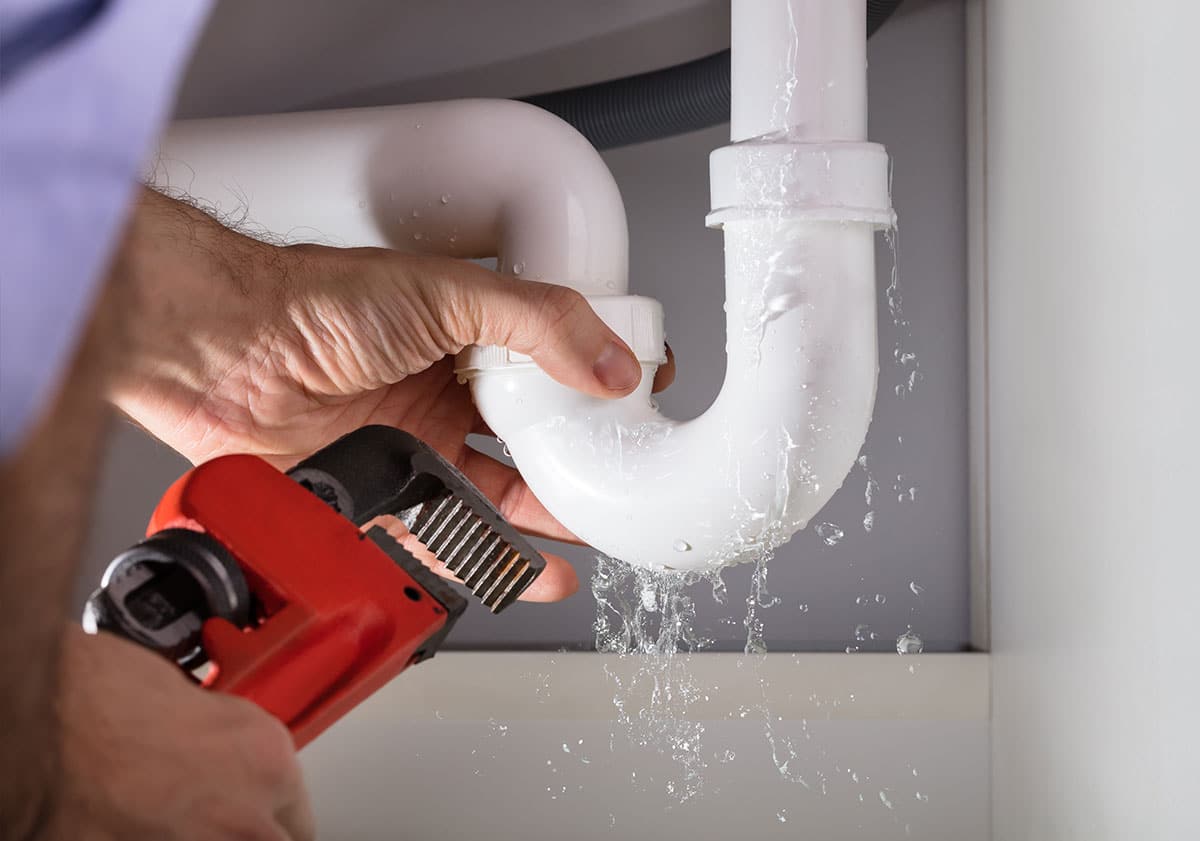
Be Wary of Mold
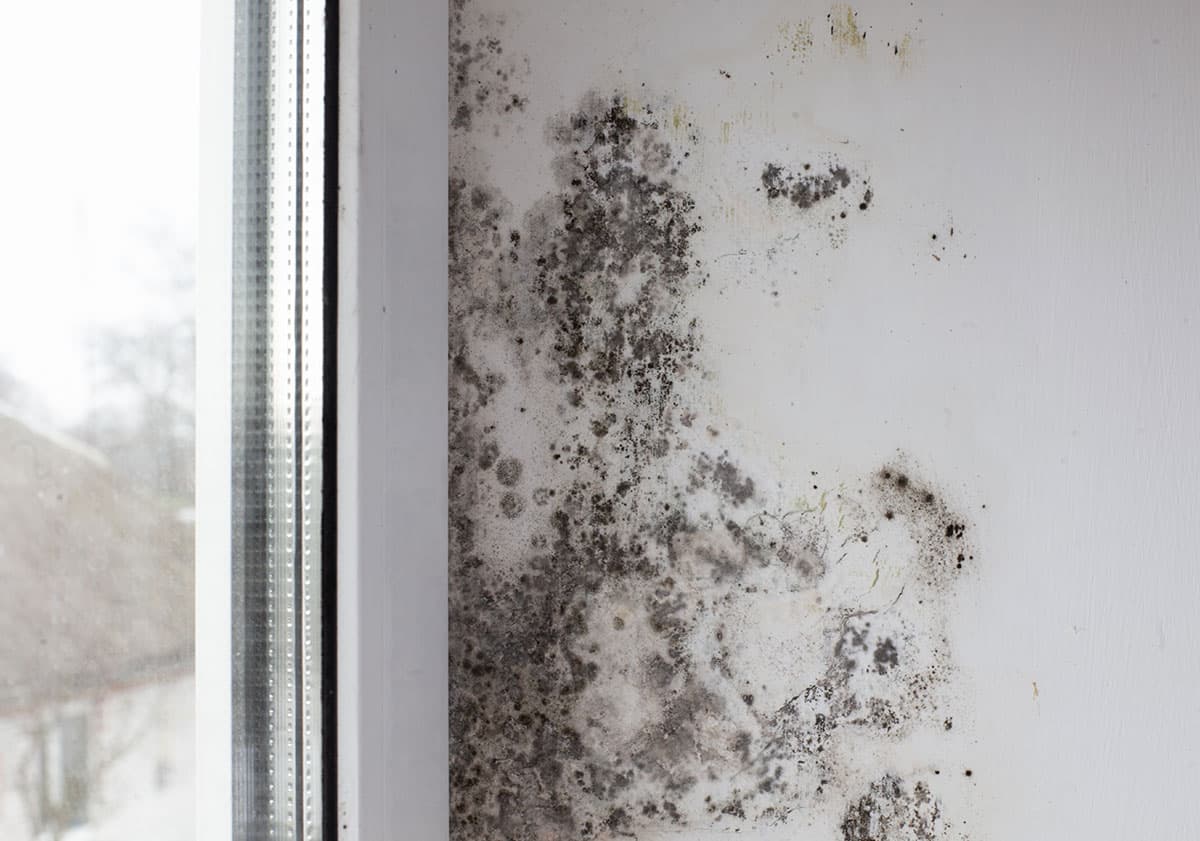
Mold can begin to grow less than 24 hours after water has compromised your business. If you see any signs of mold growth where there have been leaks, contact Coastal Property Restoration ASAP to diagnose the problem.
Look for Spotting
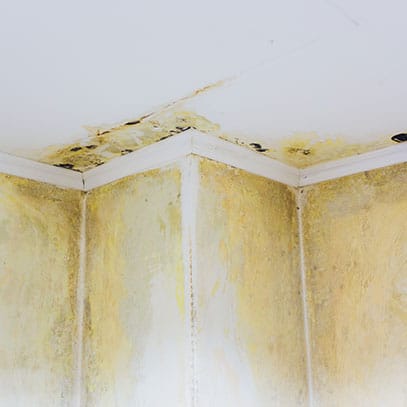
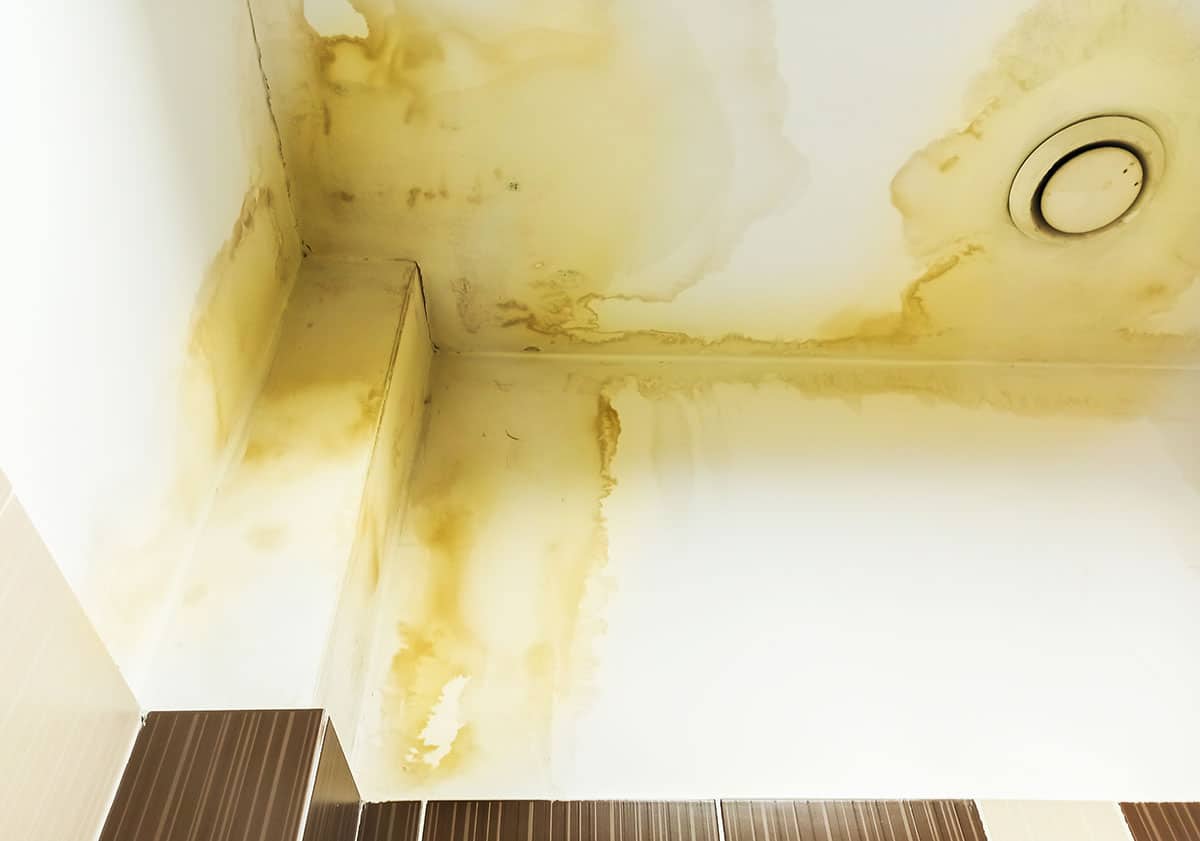
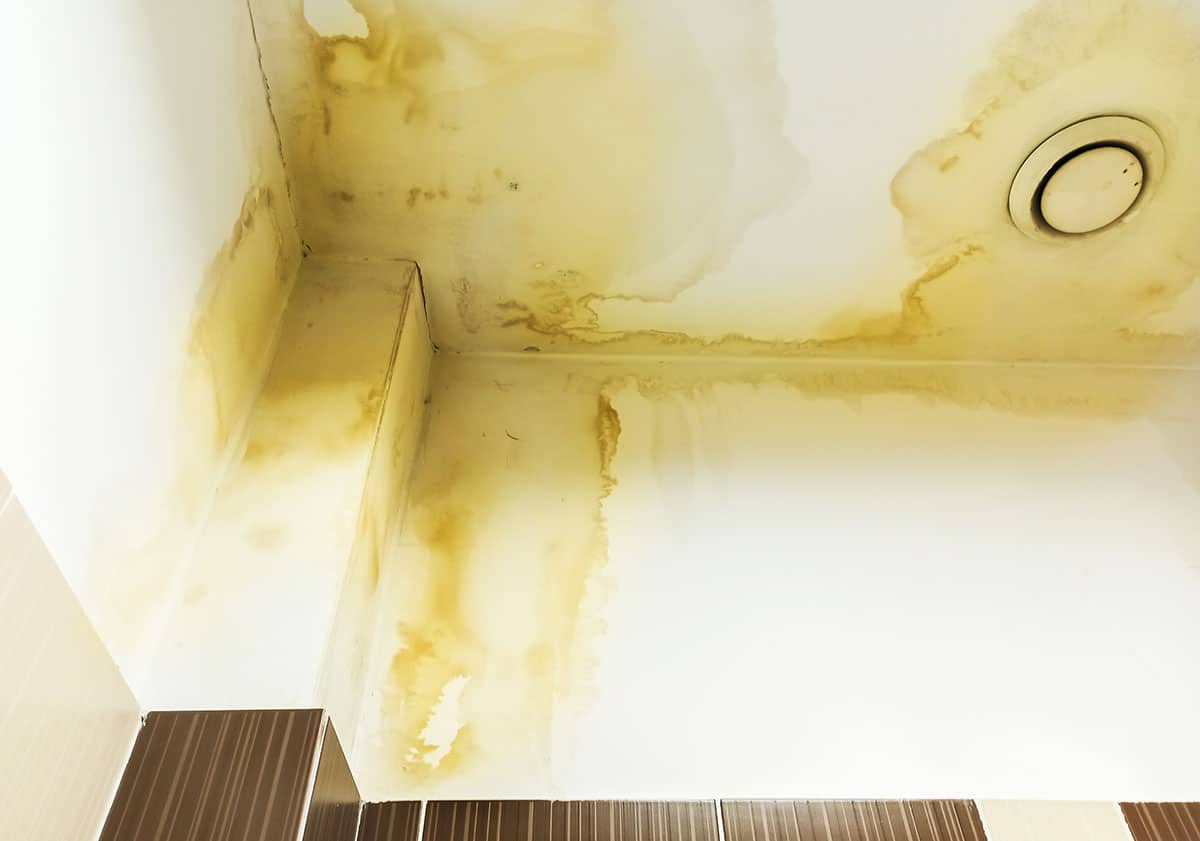
Water damage can usually be identified in businesses by dark spots on walls and ceilings, with older damage likely showing rings around the stain. Multiple rings with varying shades may indicate an intermittent problem, where the area has been repeatedly soaked and dried.
Know Your Property Like the Back of Your Hand
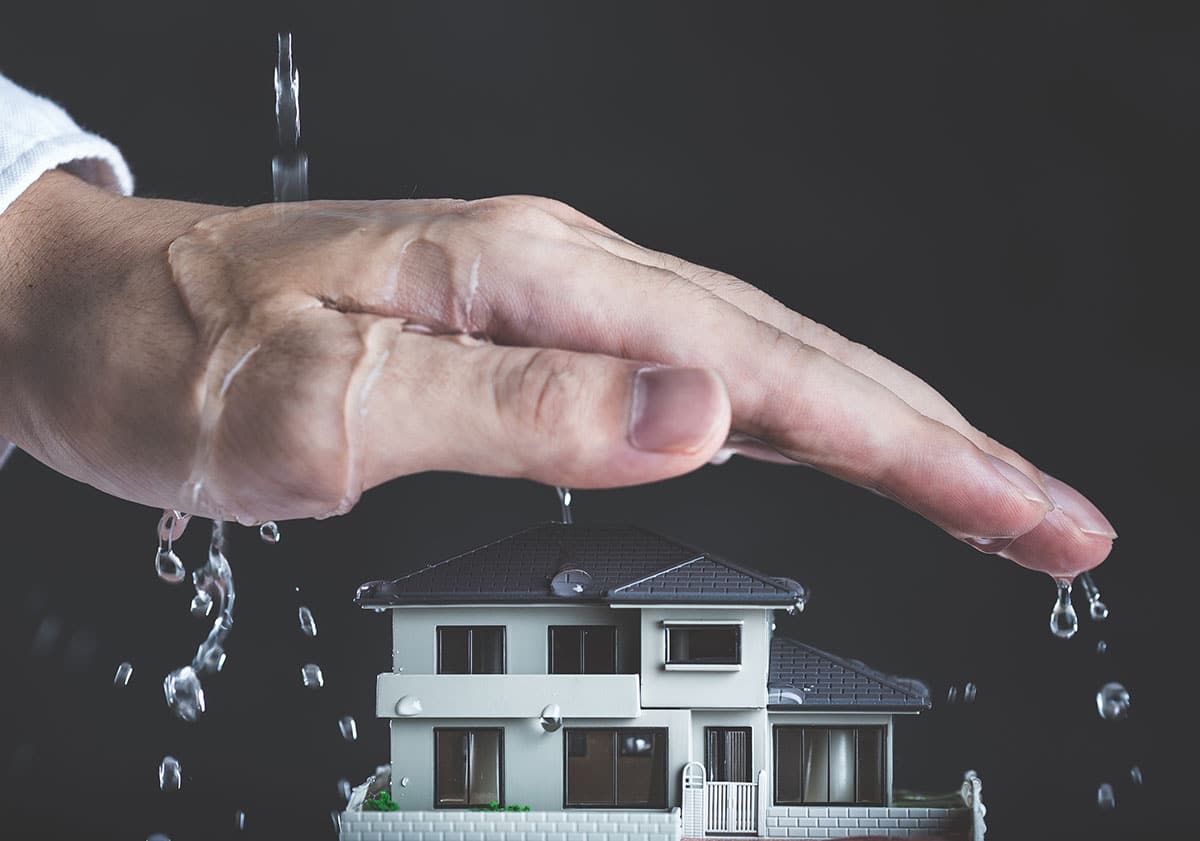
As the owner of commercial property, it's important to stay aware of your building's pipe system. Being knowledgeable about what's old and new, and identifying areas at risk for water damage is key. Areas with a higher potential for leaks, especially during rainstorms, should be monitored closely.
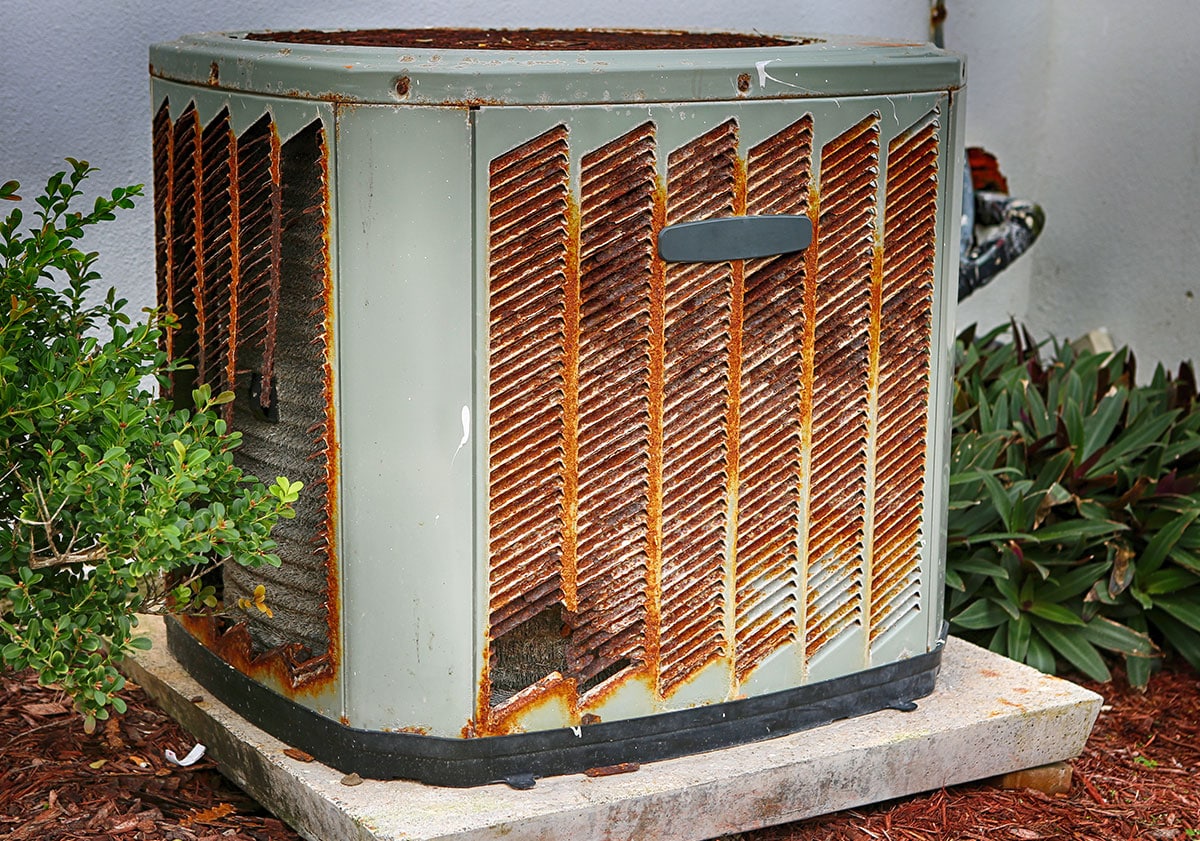
Rusty Appliances
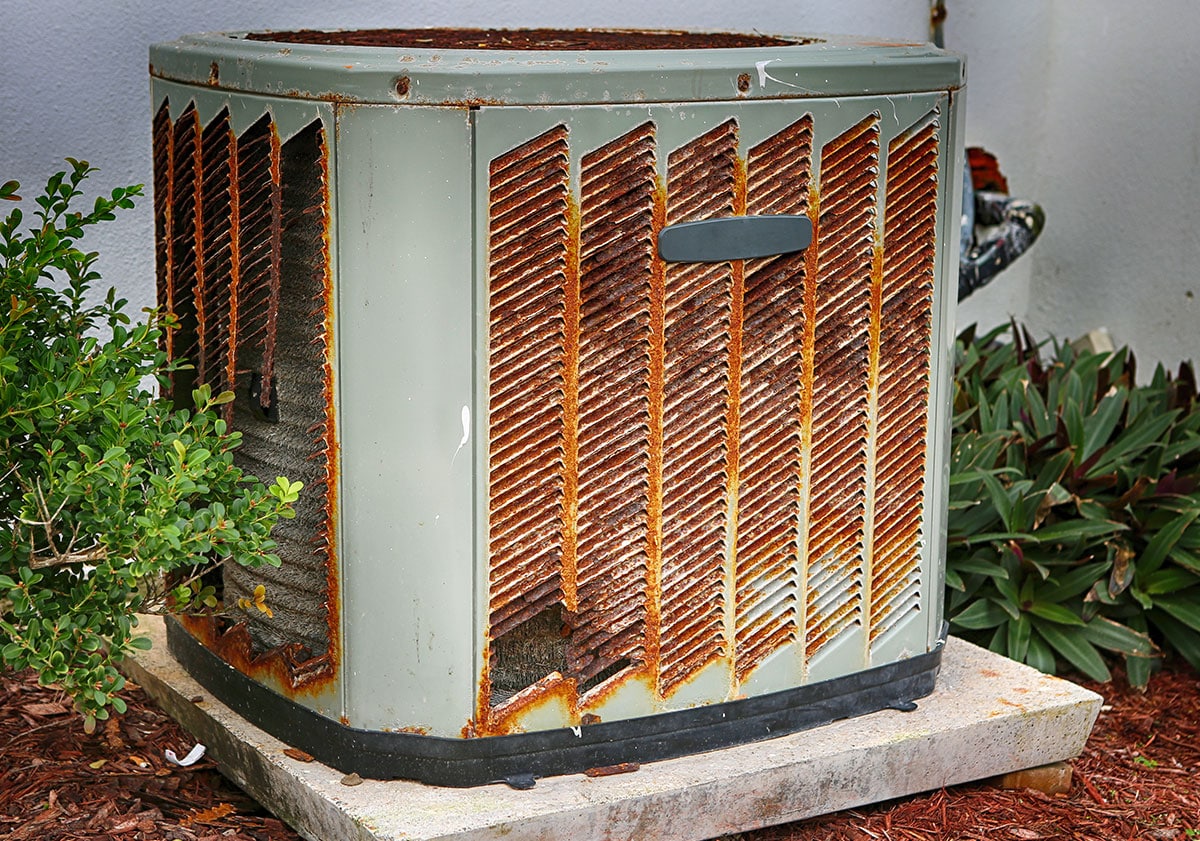
When a commercial property owner observes rust on equipment or AC units of a building, it is highly probable that water damage is the root cause. This could be an indication of an unaddressed old leak in the vicinity. It is crucial for property owners to seek assistance from a specialist to assess the extent of the damage.
It's important to thoroughly inspect the piping both inside and outside the building. Pay close attention to any signs of oxidation or corrosion around pipe fixtures, and don't forget to check your water heater for rust as well. If you do notice corrosion or rust, it could be an indication of a water leak that needs to be addressed promptly.
Mold can begin to grow less than 24 hours after water has compromised your business. If you see any signs of mold growth where there have been leaks, contact Coastal Property Restoration ASAP to diagnose the problem.
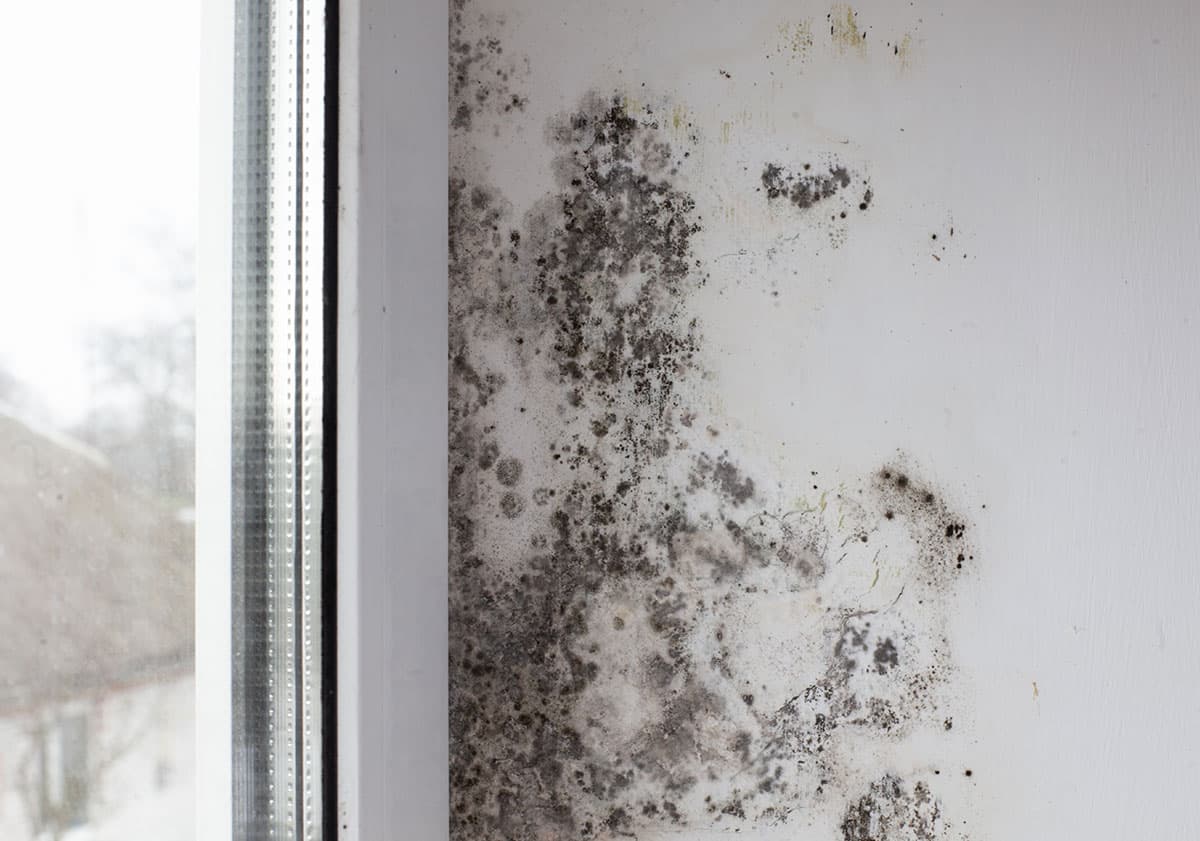
Water damage can usually be identified in businesses by dark spots on walls and ceilings, with older damage likely showing rings around the stain. Multiple rings with varying shades may indicate an intermittent problem, where the area has been repeatedly soaked and dried.
As the owner of commercial property, it's important to stay aware of your building's pipe system. Being knowledgeable about what's old and new, and identifying areas at risk for water damage is key. Areas with a higher potential for leaks, especially during rainstorms, should be monitored closely.
When a commercial property owner observes rust on equipment or AC units of a building, it is highly probable that water damage is the root cause. This could be an indication of an unaddressed old leak in the vicinity. It is crucial for property owners to seek assistance from a specialist to assess the extent of the damage.
Water Damage Clean-Up for Santanu Sen

Water Damage Clean-Up for Judith Berlin
Water Damage Clean-Up for debora dunham
Water Damage Clean-Up for Grant Cooper
Water Damage Clean-Up for Agli Goxhaj
Water Damage Clean-Up for Matthew Rubin
Water Damage Clean-Up for Pamela Smith
Coastal Property Restoration is Your Local Choice For Water Damage Restoration in Daniel Island, SC
Effective water damage clean-up is an essential process that requires a high level of expertise to ensure your property sustains minimal damage. Selecting the best water remediation company is equally important, especially when it comes to the health of your family or your customers. Whether your kitchen is full of standing water because your dishwasher overflowed or your business is at risk because of an extensive pipe leak, our team of trained and certified experts is only a phone call away, 24 hours a day.
Contact our office to discover the Coastal Property Restoration difference and what separates our water damage mitigation company from others in South Carolina.
Get A Quote
Latest News in Daniel Island, SC
Disclaimer: