Trust Coastal Property Restoration For Rapid Relief And Peace Of Mind
Swift Water Damage Cleanup and Restoration
Water Damage Restoration in Awendaw, SC
- Dealing with a devastating water-related event in your home or business is a truly traumatic experience. What starts as a small leak can quickly escalate into a situation where your property is flooded with water. Your most cherished belongings and important business documents are ruined. You're left with a catastrophe on your hands, and with every minute that passes, things seem to get worse. Within 24 hours, the most important people in your life are now at risk because of compromised water containing harmful bacteria and allergens.
- If you've never experienced the effects of water damage, be thankful. But those who have had to endure such an unwelcome experience know first-hand how important it is to get the water cleaned up ASAP. That's where Coastal Property Restoration swoops in to save the day. From roof leaks and busted pipes to sump pump malfunctions and natural disasters, Coastal Property Restoration provides water damage clean-up in Awendaw, SC, when you need professional service and peace of mind most.
Service Areas
A Water Damage Restoration Company You Can Trust
At Coastal Property Restoration, our water damage mitigation company is always prepared to respond quickly to water damage emergencies. That's because we truly care about our customers and never subject them to half-measures or mediocre work. At the end of the day, we're passionate about restoring the lives of home and business owners who are devastated, confused, and looking for trustworthy water damage restoration.
To help achieve that goal, we use years of expertise and modern, state-of-the-art equipment to remove moisture and standing water from your property. In doing so, we can help protect your family or staff while restoring your quality of life. But you've got to act fast - damage from water in your home or business can spread quickly and just affect every aspect of your property, from its roof to its foundation.
So, if you're trying to put the pieces back together after a water loss, it's time to contact Coastal Properties LLC. With one call, our team of experts will arrive at your home or business to remediate your water damage in Awendaw, SC, using advanced tools, superior drying techniques, and detailed documentation. We aim to restore your property to its pre-loss condition so you can return to living a normal life again.
The Coastal Property Restoration Process
Our team of licensed and insured water damage clean-up professionals uses a streamlined process to address your needs ASAP:
- Assess: We assess the extent of your water damage by conducting a thorough inspection.
- Mitigate: Our technicians get to work quickly to mitigate and prevent further damage to your home, business, and belongings.
- Recover: Our water damage restoration experts help you recover from your water emergency with a focus on restoring your property to its pre-loss condition.
Dealing with an emergency that needs to be addressed sooner than later? With 24-hour service, we're here for you day and night, no matter how severe your water damage issue may be.
What Causes Water Damage Your Home?
Water is undoubtedly essential for our planet, but it can also be incredibly destructive. Among all the potential disasters that could harm your property, water damage ranks high. It has a tendency to sneak into small, unnoticed areas where it can cause warping and discoloration, whether it's from a severe thunderstorm or a tiny leak. Even a small amount of water can be deceptively expensive, costing thousands of dollars if not addressed immediately.
The most concerning part is that it can happen in an instant, catching you and your family off guard. However, by keeping these common causes of water damage in mind, you can take steps to prevent water from causing damage to your property.
Unsure what might be causing water to enter your home in South Carolina? Call Coastal Property Restoration as soon as you can so our team can come to your property and conduct an inspection.
Get a Quote
In the United States, South Carolina is among the top five states with the greatest number of hurricanes, with a total of 30 making landfall. This accounts for 10.10% of all the hurricanes in the country. While five of those hurricanes were classified as being major (Category 3), smaller hurricanes and even minor rain showers can result in significant water damage clean-up in Awendaw, SC.
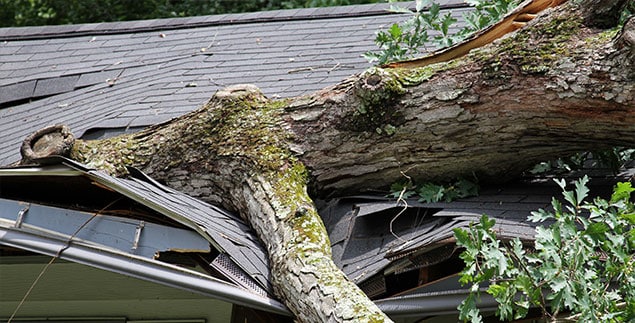
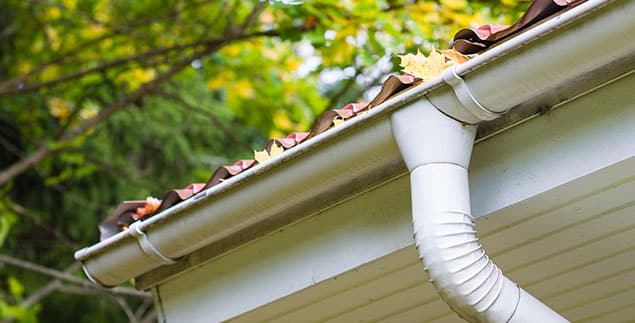
Properly functioning gutters are essential for directing water away from your home, especially during fall leaf season when clogs are common. However, when gutters do become clogged, rainwater can accumulate and flow over the edges, causing potential leaks into your attic, walls, or basement. It's important to ensure your gutters are free of debris to prevent any water damage to your home.
Water heaters that are old or not properly installed have a tendency to develop leaks. Sadly, these leaks can be quite severe and result in the accumulation of several inches of water in your basement or crawlspace.
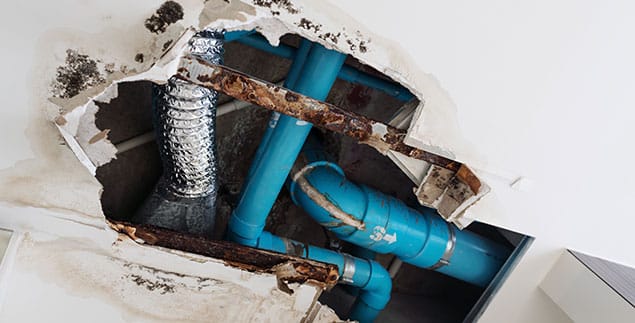
Pipe leaks may start small, but they can have devastating consequences. Whether it's loose-fitting pipes under your kitchen sink or old drainage systems under your home, water from a leak can cause serious damage to your property. Not only can it ruin prized possessions and warp wallpaper, but it can also create conditions for mold growth, even with just a small amount of moisture present. It's crucial to address any leaks as soon as possible to prevent further damage.
Some other common causes of water damage in residential homes include the following:
- Overflows (sinks, bathtubs, toilets)
- Sprinkler Systems (accidents & malfunctions)
- Clogged Drains (hair, grease, dirt, etc.)
- Washing Machines (compromised PVC supply line)
- AC Condensation (clogged condensate line, damaged drain pan)
Water Damage in Awendaw, SC: Restoration vs. Mitigation vs. Remediation
As a reputable water damage restoration company in South Carolina, we get questions all the time from misinformed customers asking what the differences are between restoration, mitigation, and remediation. We get it - to the untrained individual, they all sound about the same. But each serves a special purpose in the process of eliminating water from your home or office.

Water Damage Mitigation
You can think of water mitigation as an emergency response meant to stop and contain water so that it doesn't cause any more damage to your property. Often, mitigation includes an inspection of the damaged area and an advanced water extraction process to ensure a hazard-free workplace.

Water Damage Remediation
This stage often involves a detailed clean-up and removal of residual water from the property. Water damage techs will also remove furniture and other items affected by the water damage and dispose of any contaminated materials. During this phase, blowers and pumps may be used to dry areas of the property. Sometimes, boards or tarps are used to protect the property as needed. From there, a final cleaning usually takes place that can include deodorizing and sanitizing items that can be salvaged from water damage. It should be noted that sometimes water mitigation and remediation overlap. For instance, remediating a contaminant from an area of your home might involve mitigating damage to something like a pipe that has burst.
Water Damage Restoration
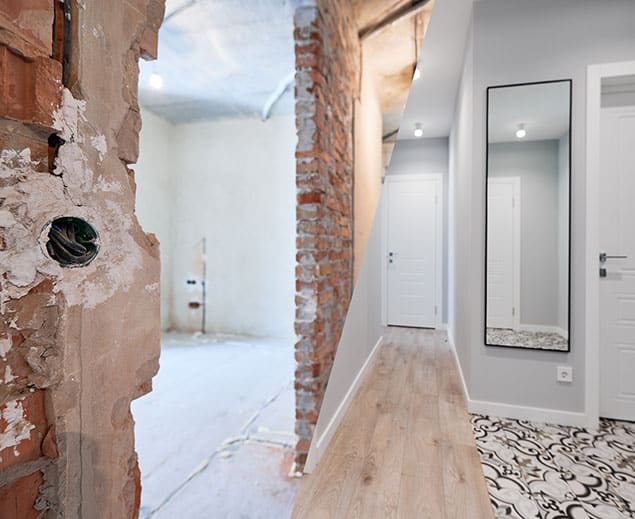
In this final stage, water damage restoration professionals help ensure that moisture levels in the impacted areas are back to normal. They take care of replacing the damaged drywall, repairing the floors that have buckled, and fixing the ceilings affected by water. Additionally, they clean and restore the items that are still in good condition. All of these measures are taken to bring your property back to its original state before the damage occurred. Think of it like this: Water remediation focuses on completing temporary tasks, while restoration centers around more permanent solutions.
While the water damage clean-up steps listed above might sound interchangeable, each addresses a crucial step in the remediation process. If you're working with a water damage restoration company and they tell you otherwise, know that they're perpetrating a myth. Speaking of myths, here are a few of the most common ones that we have run across in our time as water restoration experts.

You can think of water mitigation as an emergency response meant to stop and contain water so that it doesn't cause any more damage to your property. Often, mitigation includes an inspection of the damaged area and an advanced water extraction process to ensure a hazard-free workplace.

 Call Now
This stage often involves a detailed clean-up and removal of residual water from the property. Water damage techs will also remove furniture and other items affected by the water damage and dispose of any contaminated materials. During this phase, blowers and pumps may be used to dry areas of the property. Sometimes, boards or tarps are used to protect the property as needed. From there, a final cleaning usually takes place that can include deodorizing and sanitizing items that can be salvaged from water damage. It should be noted that sometimes water mitigation and remediation overlap. For instance, remediating a contaminant from an area of your home might involve mitigating damage to something like a pipe that has burst.
 Call Now
In this final stage, water damage restoration professionals help ensure that moisture levels in the impacted areas are back to normal. They take care of replacing the damaged drywall, repairing the floors that have buckled, and fixing the ceilings affected by water. Additionally, they clean and restore the items that are still in good condition. All of these measures are taken to bring your property back to its original state before the damage occurred. Think of it like this: Water remediation focuses on completing temporary tasks, while restoration centers around more permanent solutions.
While the water damage clean-up steps listed above might sound interchangeable, each addresses a crucial step in the remediation process. If you're working with a water damage restoration company and they tell you otherwise, know that they're perpetrating a myth. Speaking of myths, here are a few of the most common ones that we have run across in our time as water restoration experts.
 Call Now
Myths About Water Damage Restoration in Awendaw, SC
When it comes to water damage restoration, there's a lot of information out there that can be misleading or downright incorrect. This can be especially frustrating for property owners who are caught off guard by unexpected leaks or floods. To make matters worse, there are several common myths about water damage that can actually make the problem worse if you're not aware of them. To help clear things up, we've debunked three of these myths below.
It's important to remember that water damage can often go undetected. Water has a sneaky way of hiding in all sorts of nooks and crannies throughout your home, including behind walls, in carpets, under floors, and in ceilings. The problem with these materials is that they're porous, which means they not only hide water, but they also absorb it. Even if it appears that everything has dried out, the moisture that's lurking beneath the surface can still cause serious damage over time.
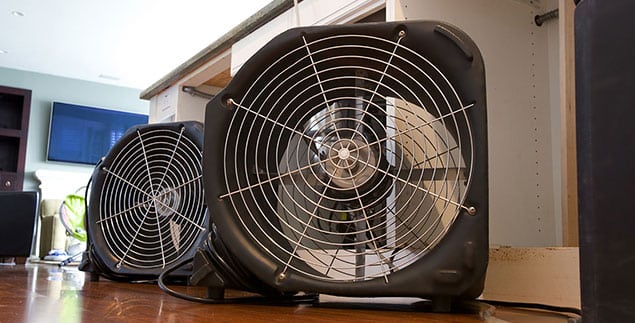
That's why it's crucial to take action and not let water dry on its own. If left untreated, it won't simply evaporate; it will be absorbed. Fortunately, the expert technicians at Coastal Property Restoration are equipped with top-of-the-line equipment to help locate and eliminate any hidden moisture or trapped water. You can trust us to thoroughly dry out your home and protect it from any further damage.
Dealing with water damage restoration and preventing further damage requires swift action, as time is of the essence. The longer water remains, the more extensive the damage becomes. The response window is narrow, less than 24 hours, and within this timeframe, mold growth may occur, creating an entirely new set of issues. Plus, salvaging materials in your home after prolonged exposure to water is challenging, so the best course of action is to respond immediately to water damage.
We understand that this can be challenging, but working with a reputable water damage cleanup service like Coastal Property Restoration can make all the difference. Our team can respond promptly and efficiently, allowing you to focus on your life while we take care of your home. The bottom line? If you've got water in your home or business, don't waste any time. Call a trusted water damage restoration company ASAP to minimize losses, mitigate damage, and prevent the risk of mold.
The saying, "Everything heals with time," is not a phrase that applies to mold in your home or business. As mentioned above, it's important to act quickly when dealing with water damage, as mold can begin to grow in as little as 24 hours. The musty odor that comes with mold won't stay contained to the affected area; it will eventually spread throughout your entire home.
It's crucial to take the necessary steps to stop mold growth and spread, including proper water extraction, drying, dehumidification, and sanitization. Additionally, any saturated materials, such as couches, carpets, floors, and drywall, must be treated properly to eliminate the musty smell. To ensure your home is fully restored and smelling fresh after water damage, it's best to have a professional clean-up crew go through each step of the process to guarantee no moisture is left behind.
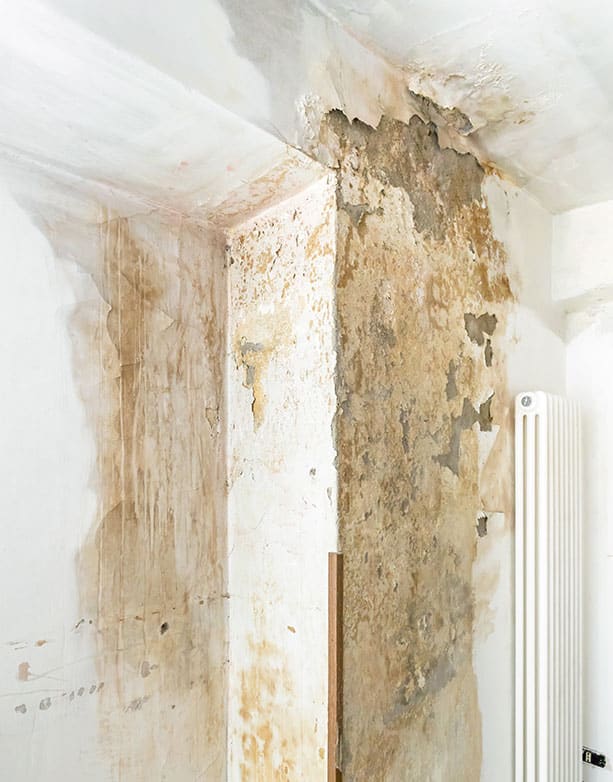
Getting Back to Business: Common Signs of Commercial Water Damage in Awendaw, SC
Water damage can be a major setback for any commercial property and business, causing loss of revenue and productivity. But fear not; Coastal Property Restoration has got your back with skilled technicians and reliable water damage restoration services. As a savvy business owner, however, it's important for you to stay vigilant and look out for early signs of water damage to your property so you can take action before it becomes a major problem.
Inspect Your Piping
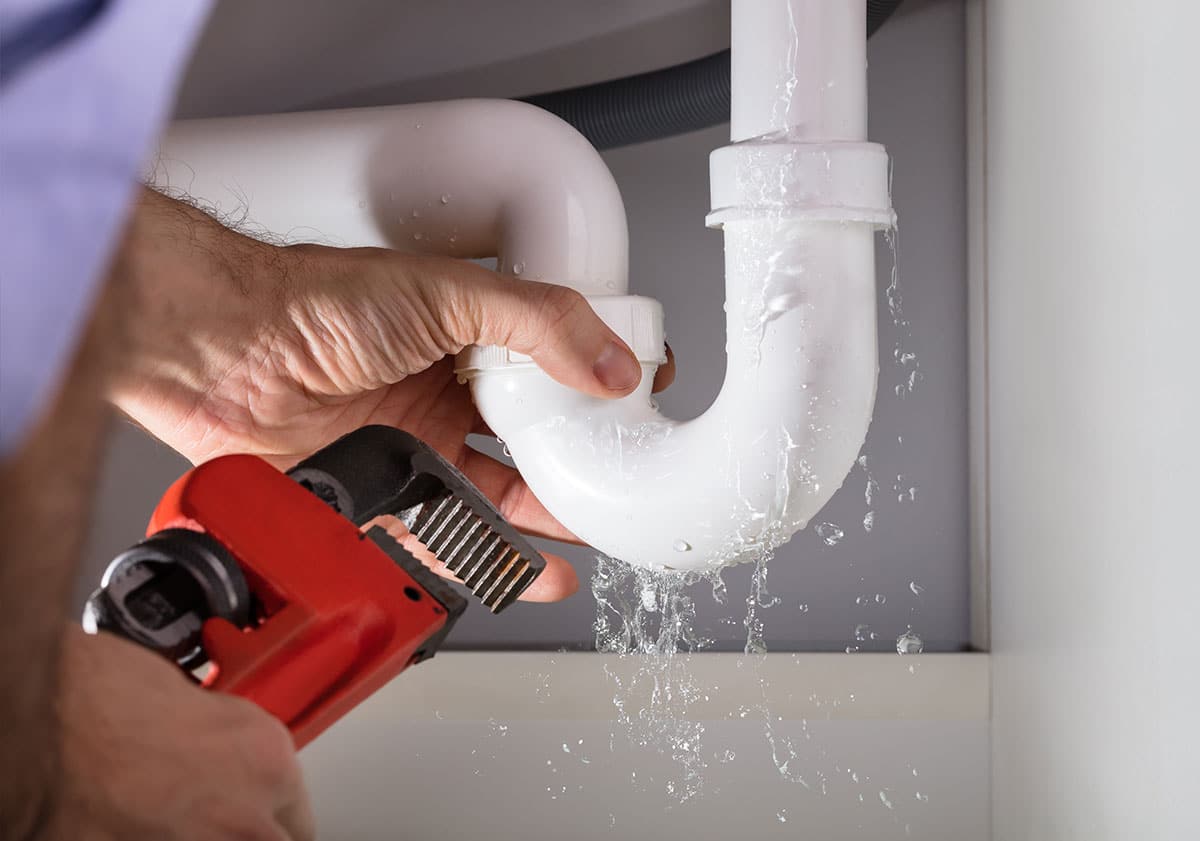
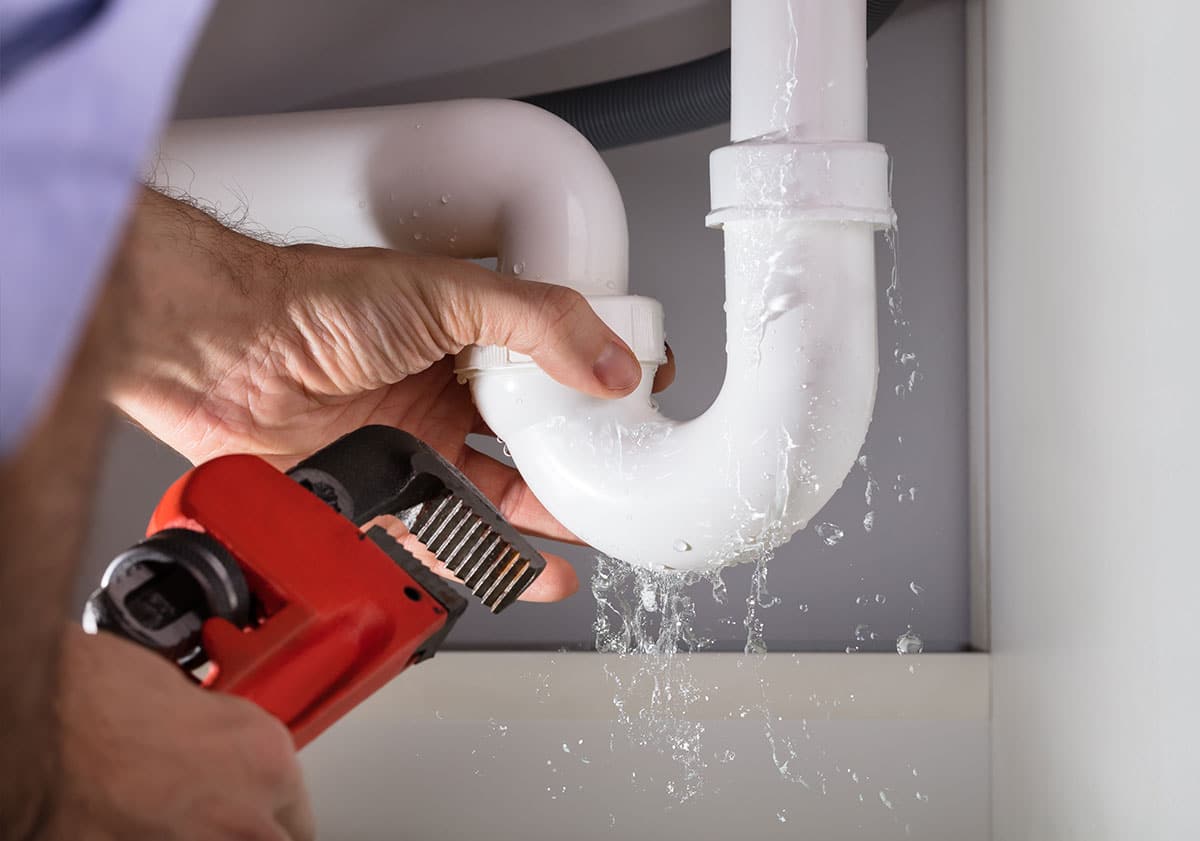
It's important to thoroughly inspect the piping both inside and outside the building. Pay close attention to any signs of oxidation or corrosion around pipe fixtures, and don't forget to check your water heater for rust as well. If you do notice corrosion or rust, it could be an indication of a water leak that needs to be addressed promptly.
Be Wary of Mold
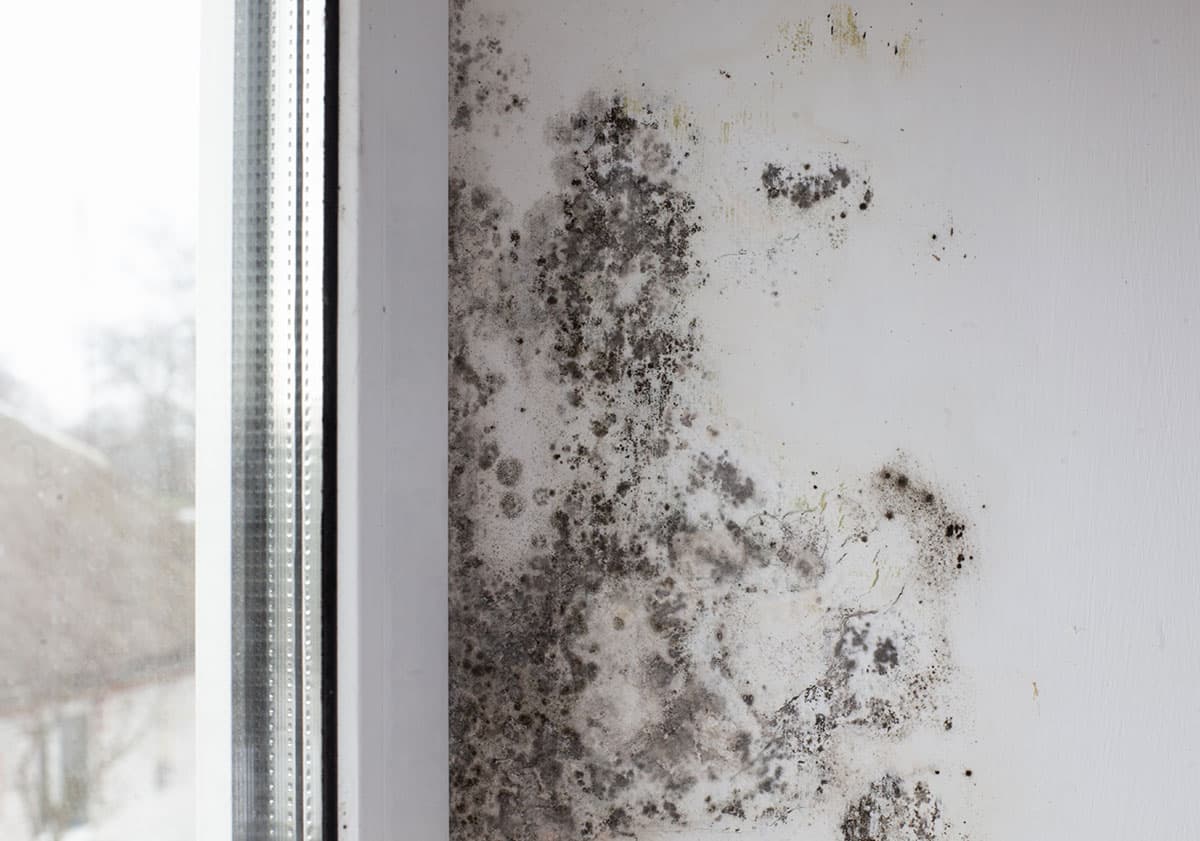
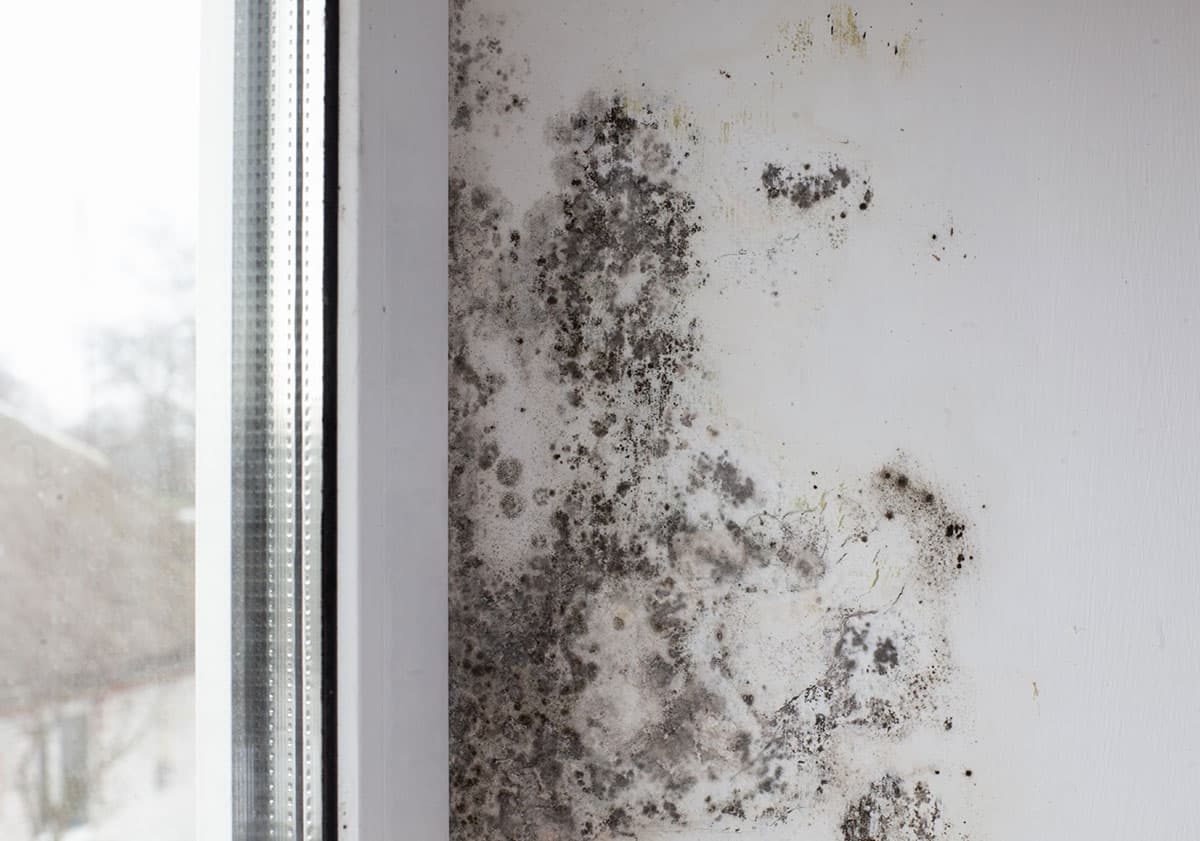
Mold can begin to grow less than 24 hours after water has compromised your business. If you see any signs of mold growth where there have been leaks, contact Coastal Property Restoration ASAP to diagnose the problem.
Look for Spotting
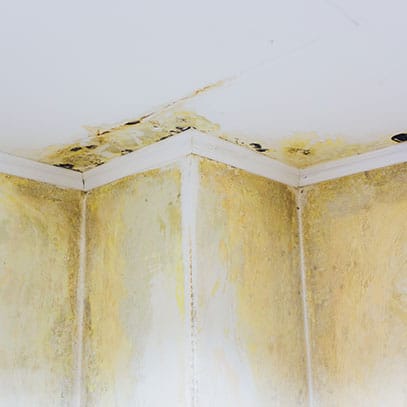
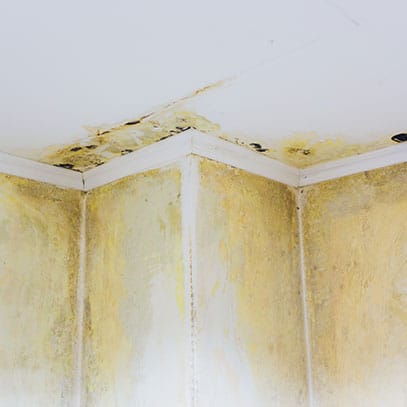
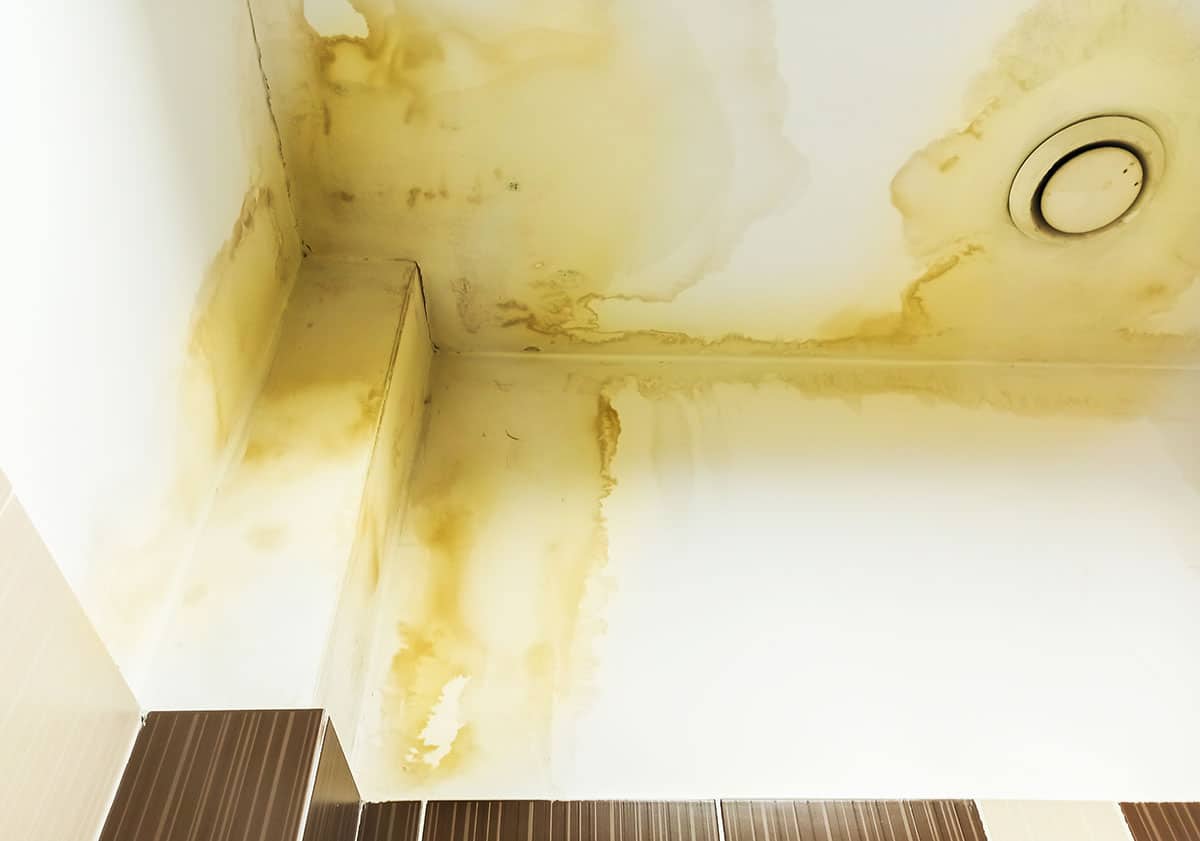
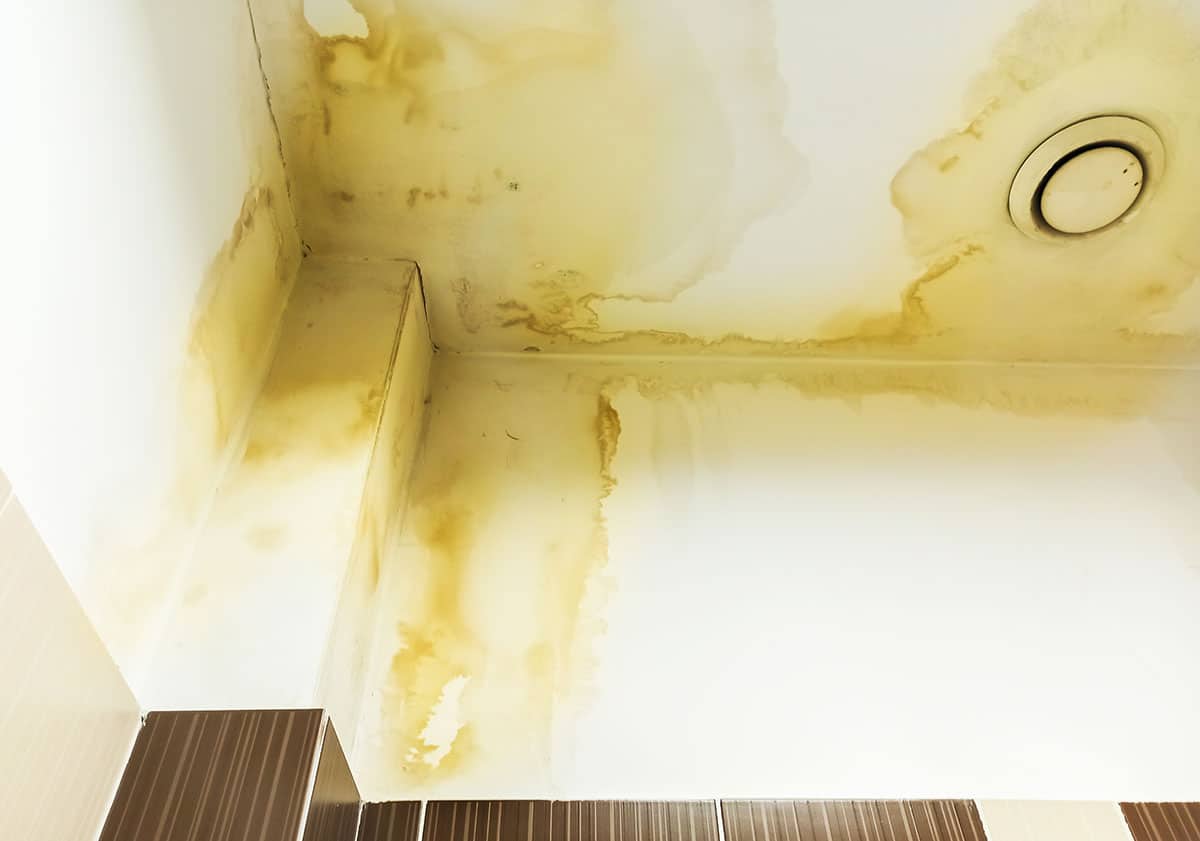
Water damage can usually be identified in businesses by dark spots on walls and ceilings, with older damage likely showing rings around the stain. Multiple rings with varying shades may indicate an intermittent problem, where the area has been repeatedly soaked and dried.
Know Your Property Like the Back of Your Hand
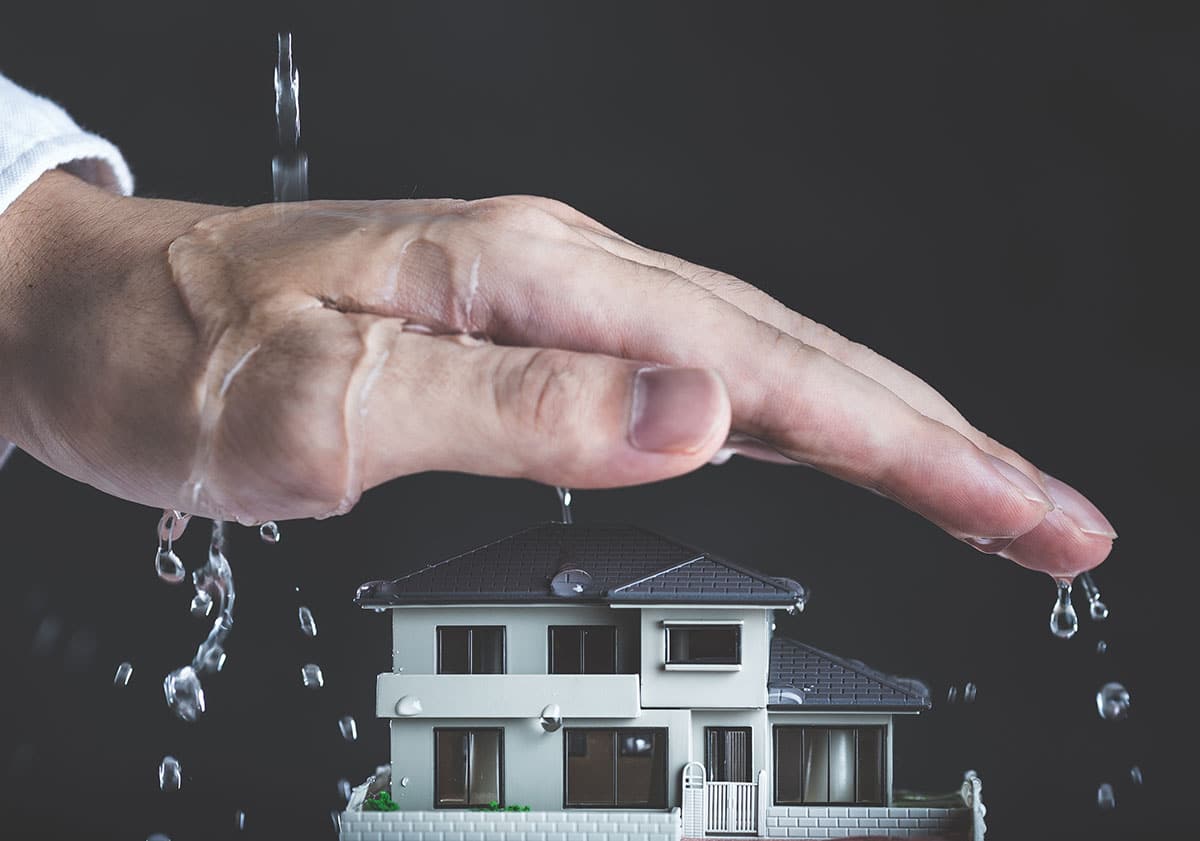
As the owner of commercial property, it's important to stay aware of your building's pipe system. Being knowledgeable about what's old and new, and identifying areas at risk for water damage is key. Areas with a higher potential for leaks, especially during rainstorms, should be monitored closely.
Rusty Appliances
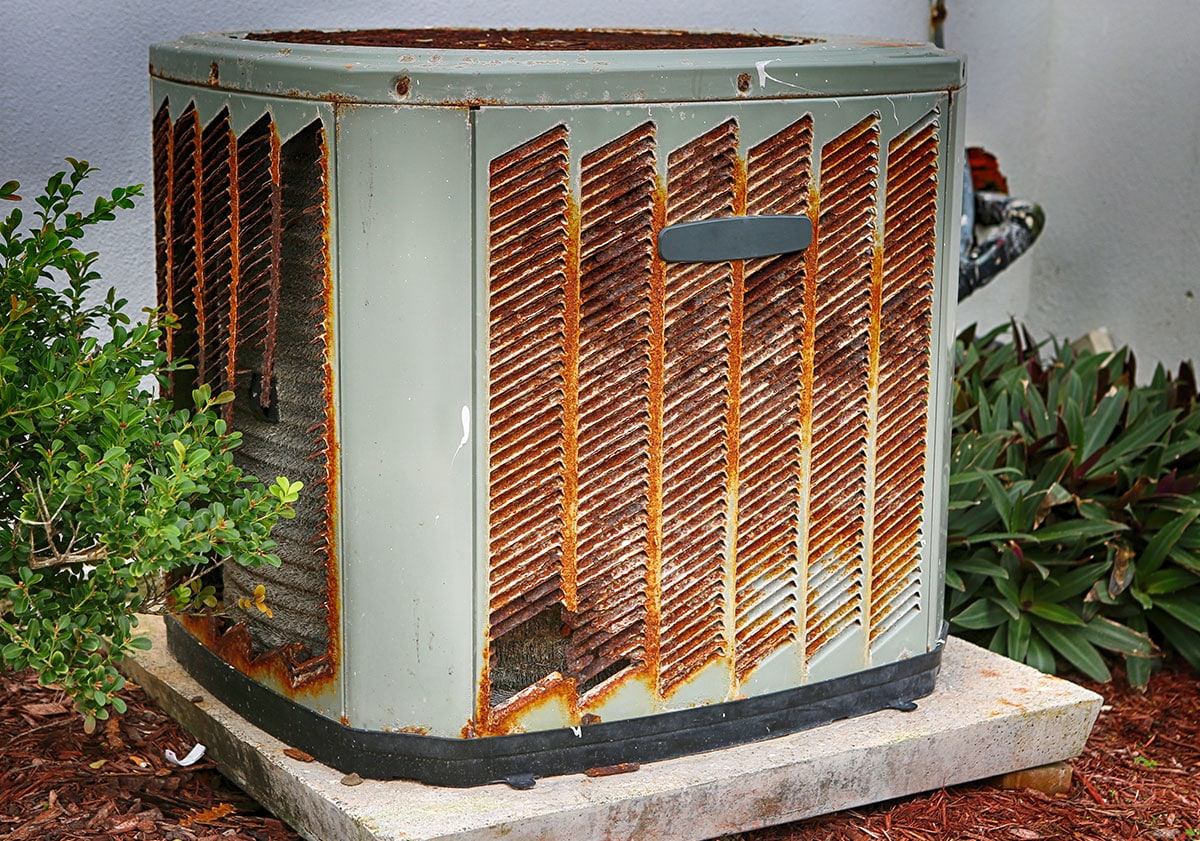
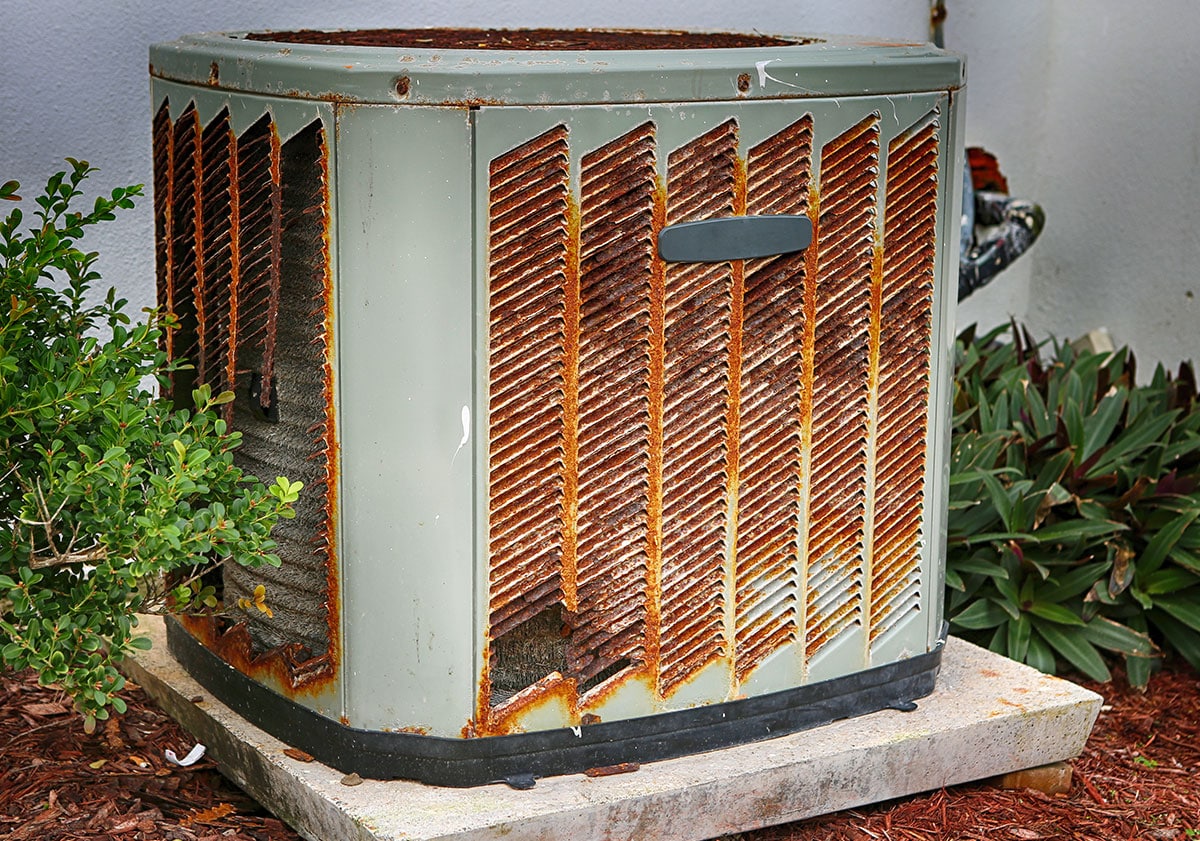
When a commercial property owner observes rust on equipment or AC units of a building, it is highly probable that water damage is the root cause. This could be an indication of an unaddressed old leak in the vicinity. It is crucial for property owners to seek assistance from a specialist to assess the extent of the damage.
It's important to thoroughly inspect the piping both inside and outside the building. Pay close attention to any signs of oxidation or corrosion around pipe fixtures, and don't forget to check your water heater for rust as well. If you do notice corrosion or rust, it could be an indication of a water leak that needs to be addressed promptly.
Mold can begin to grow less than 24 hours after water has compromised your business. If you see any signs of mold growth where there have been leaks, contact Coastal Property Restoration ASAP to diagnose the problem.
Water damage can usually be identified in businesses by dark spots on walls and ceilings, with older damage likely showing rings around the stain. Multiple rings with varying shades may indicate an intermittent problem, where the area has been repeatedly soaked and dried.
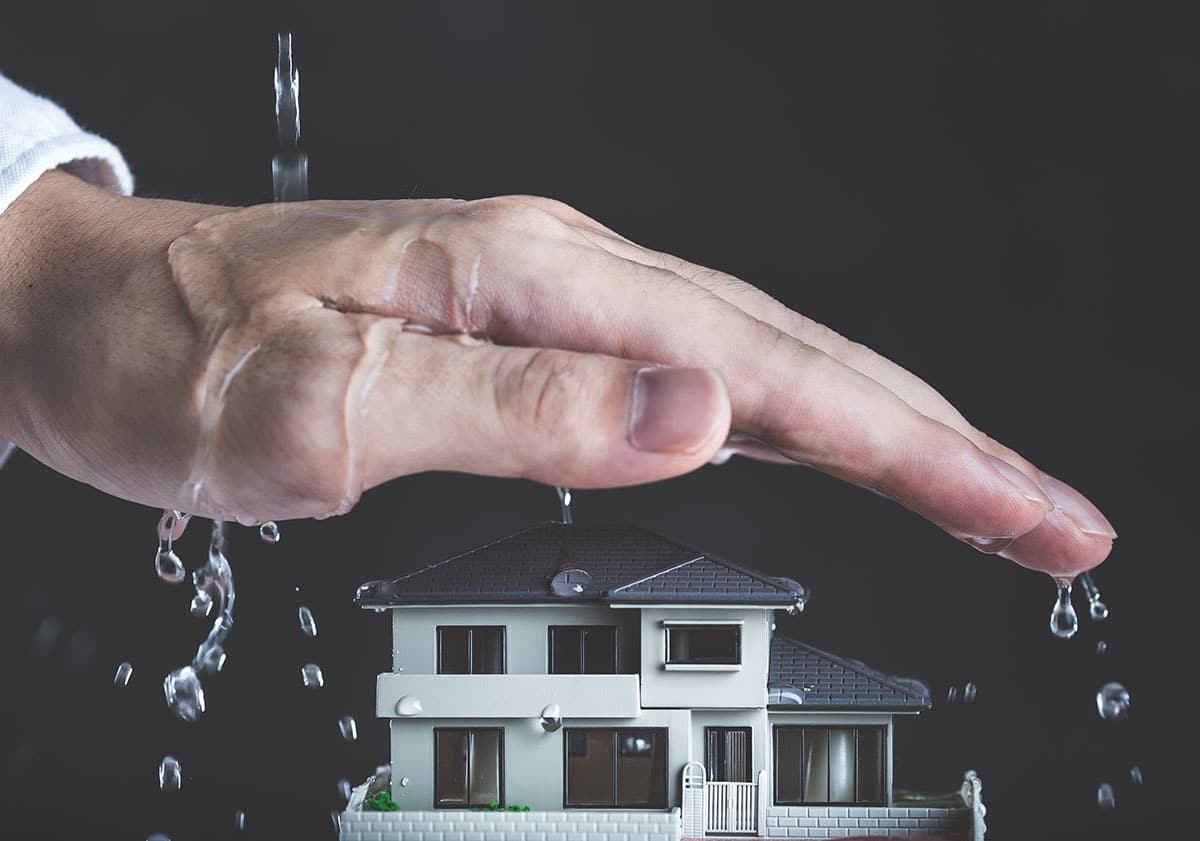
As the owner of commercial property, it's important to stay aware of your building's pipe system. Being knowledgeable about what's old and new, and identifying areas at risk for water damage is key. Areas with a higher potential for leaks, especially during rainstorms, should be monitored closely.
When a commercial property owner observes rust on equipment or AC units of a building, it is highly probable that water damage is the root cause. This could be an indication of an unaddressed old leak in the vicinity. It is crucial for property owners to seek assistance from a specialist to assess the extent of the damage.
Water Damage Clean-Up for Santanu Sen

Water Damage Clean-Up for Judith Berlin
Water Damage Clean-Up for debora dunham
Water Damage Clean-Up for Grant Cooper
Water Damage Clean-Up for Agli Goxhaj
Water Damage Clean-Up for Matthew Rubin
Water Damage Clean-Up for Pamela Smith
Coastal Property Restoration is Your Local Choice For Water Damage Restoration in Awendaw, SC
Effective water damage clean-up is an essential process that requires a high level of expertise to ensure your property sustains minimal damage. Selecting the best water remediation company is equally important, especially when it comes to the health of your family or your customers. Whether your kitchen is full of standing water because your dishwasher overflowed or your business is at risk because of an extensive pipe leak, our team of trained and certified experts is only a phone call away, 24 hours a day.
Contact our office to discover the Coastal Property Restoration difference and what separates our water damage mitigation company from others in South Carolina.
Get A Quote
Latest News in Awendaw, SC
Zoning denial a 'win' for some Awendaw residents
Samuel Griswoldhttps://abcnews4.com/news/local/zoning-denial-a-win-for-some-awendaw-residents-zoning-commission-boomstraw-hill-road-sewee-road-developer-david-weekley-homes-60-homes-planned-wciv-abc-news-4
AWENDAW, S.C. (WCIV) — Many Awendaw residents are calling it a "win" after the town's Zoning Commission denied a request Monday evening to rezone 66 acres for a possible development.The land in question is in the vicinity of Boomstraw Hill Road and Sewee Road and was recently annexed into the town limits from Charleston County.Developer David Weekley Homes recently acquired the neighboring Awendaw Village development, and made a brief presentation at Monday's meeting answering questions from board members and th...
AWENDAW, S.C. (WCIV) — Many Awendaw residents are calling it a "win" after the town's Zoning Commission denied a request Monday evening to rezone 66 acres for a possible development.
The land in question is in the vicinity of Boomstraw Hill Road and Sewee Road and was recently annexed into the town limits from Charleston County.
Developer David Weekley Homes recently acquired the neighboring Awendaw Village development, and made a brief presentation at Monday's meeting answering questions from board members and the public.
Read More: Proposed plan to build 72-home subdivision in Awendaw
Their proposal included creating lot sizes of 20,000 square-feet per home with a little more than 60 homes planned. But the current Agricultural zoning designation only provides for a minimum 30,000 square-foot lots. A change to Residential zoning would have decreased that limit to 12,500.
Allen Rioux serves on Awendaw's Board of Zoning Appeals and said the consensus from citizens is a desire to keep development density low.
"We're certainly not anti-development or anti-developer. We understand that this is a desirable place to be, and - in fact - we think that development is important for our community, for our tax base," Rioux said. "But, what the community is against is high-density development. We need to be reasonable. We have great resources here and we need to be careful that we don't negatively impact them."
Read More: Environmentalists fear impacts of 200 new homes near Awendaw wildlife refuge
Others at Monday's meeting called the request premature.
David Weekley Homes faces some challenges with the land. First and foremost, access.
The parcels are currently land-locked, meaning there's no road legal road access. However, a phase to development of their recently acquired Awendaw Village off Highway 17 would provide an adjacent connection to the 66-acres.
Read More: People still concerned after hearing developer's redevelopment plan for Union Pier
A few residents from Awendaw Village were at the zoning meeting and voiced their concerns over unfulfilled promises from their original developer.
David Weekley Homes will likely need to return before town council or the Zoning Commission with an updated development proposal.
Awendaw homeowners concerned about ditch maintenance: ‘It’s a nuisance’
Caitlin Ashbaughhttps://www.live5news.com/2024/01/16/awendar-homeowners-concerned-about-ditch-maintenance/
AWENDAW, S.C. (WCSC) - Some homeowners in Awendaw say they are concerned severe weather may be bringing severe problems to their properties.Community members living on Seewee Road claim more recent storms in the Lowcountry have caused drainage issues for roadside ditches along the six-mile stretch of rural road.“My backyard is just totally covered with water,” neighbor Stephen Flagg says. “My front yard has been totally covered with water. I mean, something just needs to be done.”Flagg lives on th...
AWENDAW, S.C. (WCSC) - Some homeowners in Awendaw say they are concerned severe weather may be bringing severe problems to their properties.
Community members living on Seewee Road claim more recent storms in the Lowcountry have caused drainage issues for roadside ditches along the six-mile stretch of rural road.
“My backyard is just totally covered with water,” neighbor Stephen Flagg says. “My front yard has been totally covered with water. I mean, something just needs to be done.”
Flagg lives on the same portion of land as his grandmother, Lillie Swinton. The family has called Seewee Road home since the 1960s. They say they have noticed the problem for decades.
Both Swinton and Flagg say taking care of the ditches along the property is one thing, but they believe fixing the ditches along the wooded areas and uninhabited spaces would make a big difference.
“Anytime we have heavy rain, the water settles. The ditch drain, there’s nowhere for it to go,” Swinton says. “When summer comes, we’re going to have a lot of trouble with mosquitos, and moccasin snakes.”
At one end of Seewee Road sits the Town of Awendaw Town Hall. Town Administrator Gregory Saxton says he has heard the concerns of neighbors and relayed them to the South Carolina Department of Transportation for assistance.
Seewee Road is a state road and therefore maintained by SCDOT through work orders.
“We just want something to be done. Because after all, we’re taxpayers, just like others. We should be able to have access to things, just like the other communities,” homeowner Alberta Goodwine says. “When it’s raining, the water just settles into the ditches and overflows in the yard. It’s a nuisance.”
Goodwine worries parts of the neighborhood community have been neglected. She adds it is a problem that affects her social life and her daily routines.
“When I step out, I’ve gotta have a boot on coming off the step. To protect myself,” Goodwine says. “Put pipes or something, so drainage will go somewhere, not on my property.”
SCDOT spokesperson Ginny Jones released the following statement:
We had a crew work on ditches along Seewee Road Jan. 2-5. Last week, the crew had to work on storm recovery efforts, but we have employees back out there today. The crew will not be onsite tomorrow due to a regularly scheduled safety meeting, but they will return on Thursday and Friday, as well as next week if necessary. Our crews are digging along approximately 9,100 linear feet of roadway, so it is taking some time, but we will continue to work on it as needed.
Regarding a work order, the answer is both: A citizen may enter an online work request, or a municipality may enter a work request on behalf of a citizen. Online work requests can be submitted here: https://apps.scdot.org/mwro/
We have been in touch with the Town of Awendaw about this work. Please let us know if you need any further information.”
When asked for clarification on how uninhabited portions of the road are maintained, Jones released this response:
SCDOT maintains what is in our right of way. If the land belongs to a municipality, county, or other party, we often work with those folks to plan for maintenance, but there are a lot of different ways that can look.
Copyright 2024 WCSC. All rights reserved.
Major land expansion coming to Cape Romain National Wildlife Refuge in Awendaw
Melissa Rademakerhttps://www.live5news.com/2023/10/10/major-land-expansion-coming-cape-romain-national-wildlife-refuge-awendaw/
CHARLESTON COUNTY, S.C. (WCSC) - A $5 million federal investment will soon add 446 acres of land along the South Carolina shoreline.Cape Romain National Wildlife Refuge is currently made up of 22 miles of barrier islands. Sarah Dawsey, the refuge manager, has been working with nature preservation since she was in high school and joined the Youth Conservation Corps.“This has been a lifelong goal for me. I mean, I can’t tell you how ecstatic I am to get this money. We have barrier islands, the refuge is barrier island...
CHARLESTON COUNTY, S.C. (WCSC) - A $5 million federal investment will soon add 446 acres of land along the South Carolina shoreline.
Cape Romain National Wildlife Refuge is currently made up of 22 miles of barrier islands. Sarah Dawsey, the refuge manager, has been working with nature preservation since she was in high school and joined the Youth Conservation Corps.
“This has been a lifelong goal for me. I mean, I can’t tell you how ecstatic I am to get this money. We have barrier islands, the refuge is barrier islands, and they’re only accessible by boat,” Dawsey says.
Coastal Expeditions does run a ferry to Bulls Island for a fee so those interested can visit for the day. There is a public dock on the island for those with boats to use as well.
“This money will allow us to have a tract on the mainland, where we can have trails, we can have hunting, fishing, environmental education, everything that we do on the islands, but to a greater extent and you don’t have to have a boat so it’s really exciting,” Dawsey says.
She also notes that a mainland tract is a step toward a future corridor connecting the refuge to the Francis Marion National Forest.
Durwin Carter is the project leader for Cape Romain, Ace Basin, Santee and Waccamaw National Wildlife Refuges. He says any addition of land is a huge win for conservation efforts, wildlife and the people nearby who can enjoy it.
“It ties directly into what our mission is. Our mission is essentially working with other partners to conserve these lands and habitats and the critters that use it, for the public to enjoy,” Carter says.
Dawsey and Carter pointed out how erosion from storms and sea level rise are threatening the barrier islands and, in their time at the refuge, they have seen the saltwater breach into ponds on Bulls Island and encroach further into the land each year.
“With the threats happening with development and habitat fragmentation and sea level rise, any additional lands that we can conserve are going to be beneficial. We do what we do for the wildlife, for the habitats and for people to enjoy. But we also do it for future generations to enjoy,” Carter says.
The funding comes from the Migratory Bird Conservation Fund. The fund is made up from the sale of Federal Migratory Bird Hunting and Conservation Stamps, commonly known as Duck Stamps, and import taxes.
The refuge has a visitors center located off Highway 17 where people can learn more about the conservation work and migratory bird protection the islands offer. Dawsey says people are always welcome to visit Bulls Island as long as they come with respect for the wildlife and leave it as they found it.
“If you see birds flying around or acting unusual or dive bombing you, that’s a signal that you’re close to their nest and they’re just trying to protect their babies,” Dawsey says.
Cape Romain is home to more than 290 bird species that migrate through the area as well as other animals like alligators, deer and sea turtles.
“We are just winding up our field season, so we have a really big loggerhead sea turtle project, it’s seven days a week. We do a lot of posting for birds and stewarding to keep people out of the bird areas and educating people on why it’s important,” Dawsey says.
Carter says his staff and volunteers are grateful for the land the refuge currently gets to take care of. They are looking forward to the expansion once the sale is finalized and eventually to hosting wildlife and visitors on the new mainland tracts.
“We’re really lucky to have the jobs that we have because they really enjoy their time out on the water of Cape Romain; really enjoy their times out on the trails, enjoy their times out appreciating the refuge, doing birdwatching, fishing, hunting, whatever it is, we’re constantly reminded of how great our jobs are because we get a chance to see this every day,” Carter says.
Copyright 2023 WCSC. All rights reserved.
Awendaw implements limited-scope moratorium to manage rapid city growth
Lauren Lennonhttps://abcnews4.com/news/local/awendaw-implements-limited-scope-moratorium-to-manage-rapid-city-growth-charleston-infrastructure-growth-abc-news-wciv-news-4
CHARLESTON COUNTY, S.C. (WCIV) — Charleston's population is growing at a rate three times faster than the United States's average, according to data from the Charleston Regional Development Alliance.As a result, towns like Awendaw are attempting to take control of rapid growth in the area by implementing a limited-scope moratorium to understand the direction of growth town planners want to take.“The moratorium is an opportunity for the community to assess the impacts of past development and put future development on...
CHARLESTON COUNTY, S.C. (WCIV) — Charleston's population is growing at a rate three times faster than the United States's average, according to data from the Charleston Regional Development Alliance.
As a result, towns like Awendaw are attempting to take control of rapid growth in the area by implementing a limited-scope moratorium to understand the direction of growth town planners want to take.
“The moratorium is an opportunity for the community to assess the impacts of past development and put future development on a pause button,” said Mark Brodeur, the town planner for Awendaw.
A limited-scope moratorium means that two development types will be placed on pause. The first is a subdivision plan proposing more than five plots of land. The second is a restriction on any future zone change requests.
Read more: "Awendaw residents fear housing boom could threaten town's rural charm."
Brodeur believes the decision won't drastically affect the area.
"Anybody wanting to build or develop can, as long as they're not asking for a zone change," Brodeur said, "and as long as they're not asking for a subdivision over five parcels."
The moratorium won't stop individuals from obtaining business licenses and securing tree removal permits. It also won't stop people from building single-family houses, nor will it stop commercial development, Brodeur explained.
It is also not a permanent move.
Read more: "Awendaw mayor responds to concerns of overdevelopment."
“The moratorium is also a limited-term moratorium," Brodeur said. "There is a beginning and an end. The moratorium scope or length is for one year or until the town adopts a new comprehensive plan and associated zoning ordinance revisions before that one year."
He also mentioned that other towns have done the same, including Mount Pleasant.
“Any new residential development on multifamily, which is defined in our ordinance, three or more families living independently,” said Michele Reed, the director of Mount Pleasant's Planning Department.
And it’s a move that’s proven to be successful.
Between 2015 and 2018, the annual growth rate was near 3.5% in Mount Pleasant. With the moratorium in place, from 2019 to 2022, the average annual growth rate dropped down to 1.7%.
Archery hunts on tap in Awendaw
Post and Courierhttps://www.postandcourier.com/moultrie-news/sports/archery-hunts-on-tap-in-awendaw/article_0b2b6fdc-64bf-11ee-a322-f75ebefbb849.html
The 2023 white-tailed deer archery hunts on Bulls Island, Cape Romain National Wildlife Refuge will be held Nov. 6- 11 and Dec. 4-9. Hunters must possess the required state hunting license. Each hunter will check in and register before setting up camp and hunting. Hunters under the age of 16 must have successfully completed a State approved hunters education course, present a hunter safety certificate and be under the immediate supervision of an adult.On Nov. 5 and Dec. 3 at 4:00 p.m., the Refuge Manager will meet with archers to disc...
The 2023 white-tailed deer archery hunts on Bulls Island, Cape Romain National Wildlife Refuge will be held Nov. 6- 11 and Dec. 4-9. Hunters must possess the required state hunting license. Each hunter will check in and register before setting up camp and hunting. Hunters under the age of 16 must have successfully completed a State approved hunters education course, present a hunter safety certificate and be under the immediate supervision of an adult.
On Nov. 5 and Dec. 3 at 4:00 p.m., the Refuge Manager will meet with archers to discuss refuge hunt regulations.
The camping area on Bulls Island will remain open from 9:00 a.m. on the Sunday preceding each hunt until noon on the Sunday following the hunt. Only registered hunters will be allowed to camp. Water and restroom facilities are the only amenities provided on the island. Overnight parking is permitted at Garris Landing during the archery hunts.
Hunters must provide their own transportation to and from Bulls Island or make transport arrangements with the refuge concession Coastal Expeditions by calling 843-884-7684. Only portable hunting stands that will not injure living trees are allowed. Crossbows, firearms/ammunition, motorized equipment, poison arrows, dogs, nails, wire, paint and flagging are prohibited. Bicycles are allowed for use on service roads. All deer, regardless of sex, must be tagged. One antlered deer and unlimited antlerless deer may be taken. Tags will be provided by Cape Romain NWR.
The archery hunt on Bulls Island assists management in maintaining the deer population at a level compatible with the environment and permits the use of a valuable renewable resource.
Visit the Cape Romain site at www.fws.gov/refuge/cape-romain for a copy of the hunt permit. For additional information, call the Refuge office at (843) 928-3264. Permits are available at the Refuge Headquarters Office Monday – Friday from 8:30 a.m. to 4:30 p.m. and, Wednesday – Saturday, 9:00 a.m. to 5:00 p.m. at the Sewee Visitor and Environmental Education Center, 5821 Hwy 17 North, Awendaw, South Carolina 29429.
The U.S. Fish and Wildlife Service mission is to work with others to conserve, protect and enhance fish, wildlife, plants and their habitats for the continuing benefit of the American people.
Visit the Service website at www.fws.gov for more information on the organization's work.
Disclaimer: