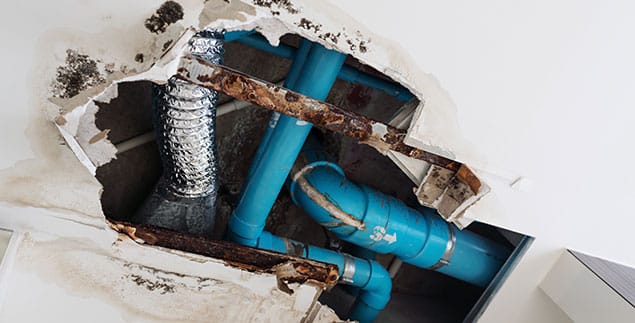
Swift Water Damage Cleanup and Restoration
At Coastal Property Restoration, our water damage mitigation company is always prepared to respond quickly to water damage emergencies. That's because we truly care about our customers and never subject them to half-measures or mediocre work. At the end of the day, we're passionate about restoring the lives of home and business owners who are devastated, confused, and looking for trustworthy water damage restoration.
To help achieve that goal, we use years of expertise and modern, state-of-the-art equipment to remove moisture and standing water from your property. In doing so, we can help protect your family or staff while restoring your quality of life. But you've got to act fast - damage from water in your home or business can spread quickly and just affect every aspect of your property, from its roof to its foundation.
So, if you're trying to put the pieces back together after a water loss, it's time to contact Coastal Properties LLC. With one call, our team of experts will arrive at your home or business to remediate your water damage in Sullivan’s Island, SC, using advanced tools, superior drying techniques, and detailed documentation. We aim to restore your property to its pre-loss condition so you can return to living a normal life again.
Our team of licensed and insured water damage clean-up professionals uses a streamlined process to address your needs ASAP:
Dealing with an emergency that needs to be addressed sooner than later? With 24-hour service, we're here for you day and night, no matter how severe your water damage issue may be.
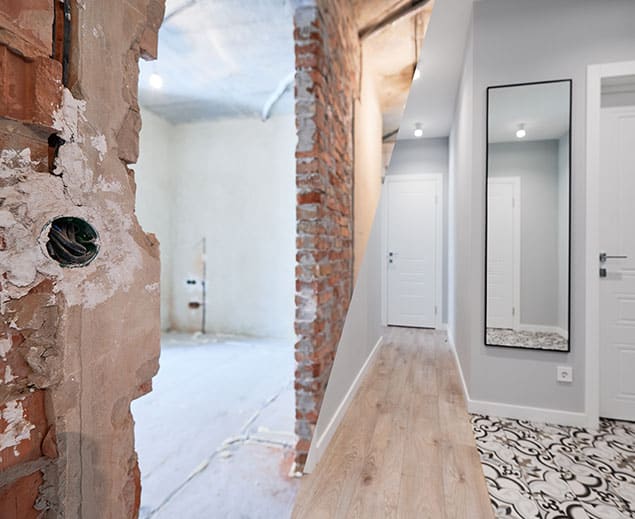
Water is undoubtedly essential for our planet, but it can also be incredibly destructive. Among all the potential disasters that could harm your property, water damage ranks high. It has a tendency to sneak into small, unnoticed areas where it can cause warping and discoloration, whether it's from a severe thunderstorm or a tiny leak. Even a small amount of water can be deceptively expensive, costing thousands of dollars if not addressed immediately.
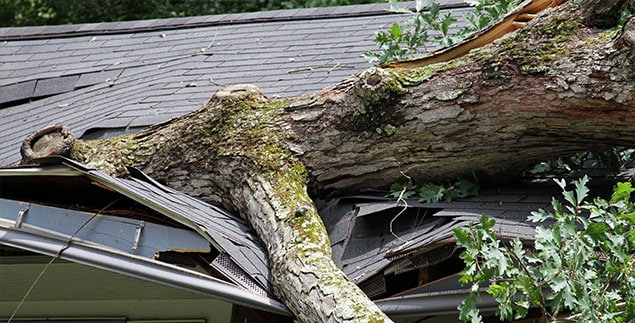
The most concerning part is that it can happen in an instant, catching you and your family off guard. However, by keeping these common causes of water damage in mind, you can take steps to prevent water from causing damage to your property.
Unsure what might be causing water to enter your home in South Carolina? Call Coastal Property Restoration as soon as you can so our team can come to your property and conduct an inspection.
Get a Quote
In the United States, South Carolina is among the top five states with the greatest number of hurricanes, with a total of 30 making landfall. This accounts for 10.10% of all the hurricanes in the country. While five of those hurricanes were classified as being major (Category 3), smaller hurricanes and even minor rain showers can result in significant water damage clean-up in Sullivan’s Island, SC.
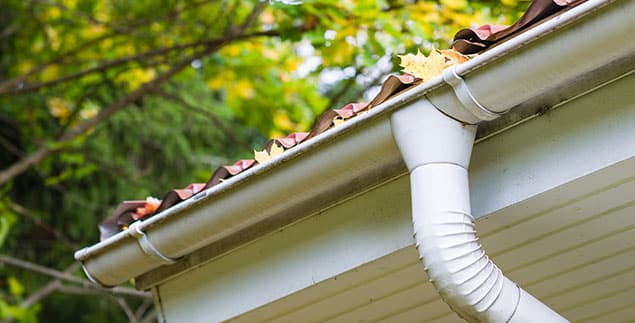
Properly functioning gutters are essential for directing water away from your home, especially during fall leaf season when clogs are common. However, when gutters do become clogged, rainwater can accumulate and flow over the edges, causing potential leaks into your attic, walls, or basement. It's important to ensure your gutters are free of debris to prevent any water damage to your home.
Water heaters that are old or not properly installed have a tendency to develop leaks. Sadly, these leaks can be quite severe and result in the accumulation of several inches of water in your basement or crawlspace.

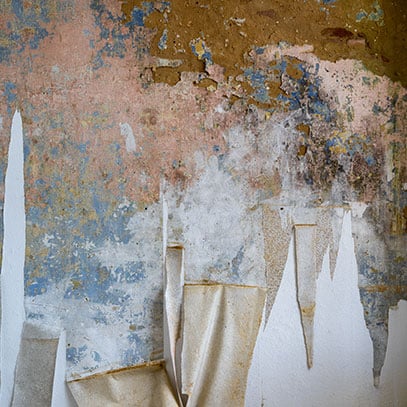
Pipe leaks may start small, but they can have devastating consequences. Whether it's loose-fitting pipes under your kitchen sink or old drainage systems under your home, water from a leak can cause serious damage to your property. Not only can it ruin prized possessions and warp wallpaper, but it can also create conditions for mold growth, even with just a small amount of moisture present. It's crucial to address any leaks as soon as possible to prevent further damage.
Some other common causes of water damage in residential homes include the following:
As a reputable water damage restoration company in South Carolina, we get questions all the time from misinformed customers asking what the differences are between restoration, mitigation, and remediation. We get it - to the untrained individual, they all sound about the same. But each serves a special purpose in the process of eliminating water from your home or office.
You can think of water mitigation as an emergency response meant to stop and contain water so that it doesn't cause any more damage to your property. Often, mitigation includes an inspection of the damaged area and an advanced water extraction process to ensure a hazard-free workplace.

This stage often involves a detailed clean-up and removal of residual water from the property. Water damage techs will also remove furniture and other items affected by the water damage and dispose of any contaminated materials. During this phase, blowers and pumps may be used to dry areas of the property. Sometimes, boards or tarps are used to protect the property as needed. From there, a final cleaning usually takes place that can include deodorizing and sanitizing items that can be salvaged from water damage. It should be noted that sometimes water mitigation and remediation overlap. For instance, remediating a contaminant from an area of your home might involve mitigating damage to something like a pipe that has burst.
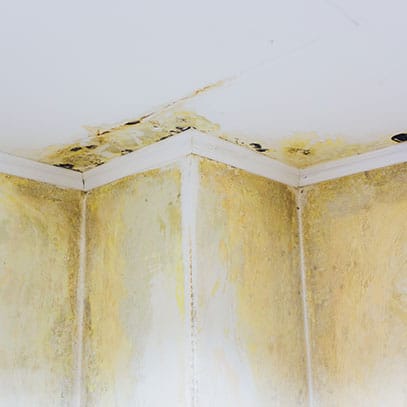
In this final stage, water damage restoration professionals help ensure that moisture levels in the impacted areas are back to normal. They take care of replacing the damaged drywall, repairing the floors that have buckled, and fixing the ceilings affected by water. Additionally, they clean and restore the items that are still in good condition. All of these measures are taken to bring your property back to its original state before the damage occurred. Think of it like this: Water remediation focuses on completing temporary tasks, while restoration centers around more permanent solutions.
While the water damage clean-up steps listed above might sound interchangeable, each addresses a crucial step in the remediation process. If you're working with a water damage restoration company and they tell you otherwise, know that they're perpetrating a myth. Speaking of myths, here are a few of the most common ones that we have run across in our time as water restoration experts.
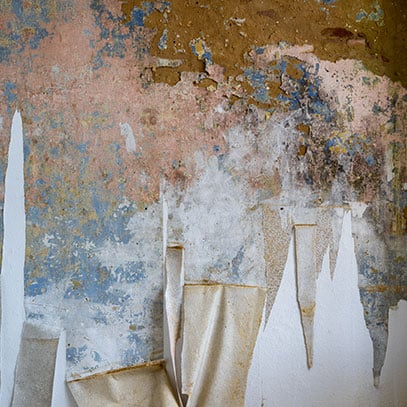
You can think of water mitigation as an emergency response meant to stop and contain water so that it doesn't cause any more damage to your property. Often, mitigation includes an inspection of the damaged area and an advanced water extraction process to ensure a hazard-free workplace.

Call Now
This stage often involves a detailed clean-up and removal of residual water from the property. Water damage techs will also remove furniture and other items affected by the water damage and dispose of any contaminated materials. During this phase, blowers and pumps may be used to dry areas of the property. Sometimes, boards or tarps are used to protect the property as needed. From there, a final cleaning usually takes place that can include deodorizing and sanitizing items that can be salvaged from water damage. It should be noted that sometimes water mitigation and remediation overlap. For instance, remediating a contaminant from an area of your home might involve mitigating damage to something like a pipe that has burst.
Call Now
In this final stage, water damage restoration professionals help ensure that moisture levels in the impacted areas are back to normal. They take care of replacing the damaged drywall, repairing the floors that have buckled, and fixing the ceilings affected by water. Additionally, they clean and restore the items that are still in good condition. All of these measures are taken to bring your property back to its original state before the damage occurred. Think of it like this: Water remediation focuses on completing temporary tasks, while restoration centers around more permanent solutions.
While the water damage clean-up steps listed above might sound interchangeable, each addresses a crucial step in the remediation process. If you're working with a water damage restoration company and they tell you otherwise, know that they're perpetrating a myth. Speaking of myths, here are a few of the most common ones that we have run across in our time as water restoration experts.
Call Now
When it comes to water damage restoration, there's a lot of information out there that can be misleading or downright incorrect. This can be especially frustrating for property owners who are caught off guard by unexpected leaks or floods. To make matters worse, there are several common myths about water damage that can actually make the problem worse if you're not aware of them. To help clear things up, we've debunked three of these myths below.
It's important to remember that water damage can often go undetected. Water has a sneaky way of hiding in all sorts of nooks and crannies throughout your home, including behind walls, in carpets, under floors, and in ceilings. The problem with these materials is that they're porous, which means they not only hide water, but they also absorb it. Even if it appears that everything has dried out, the moisture that's lurking beneath the surface can still cause serious damage over time.
That's why it's crucial to take action and not let water dry on its own. If left untreated, it won't simply evaporate; it will be absorbed. Fortunately, the expert technicians at Coastal Property Restoration are equipped with top-of-the-line equipment to help locate and eliminate any hidden moisture or trapped water. You can trust us to thoroughly dry out your home and protect it from any further damage.
Dealing with water damage restoration and preventing further damage requires swift action, as time is of the essence. The longer water remains, the more extensive the damage becomes. The response window is narrow, less than 24 hours, and within this timeframe, mold growth may occur, creating an entirely new set of issues. Plus, salvaging materials in your home after prolonged exposure to water is challenging, so the best course of action is to respond immediately to water damage.
We understand that this can be challenging, but working with a reputable water damage cleanup service like Coastal Property Restoration can make all the difference. Our team can respond promptly and efficiently, allowing you to focus on your life while we take care of your home. The bottom line? If you've got water in your home or business, don't waste any time. Call a trusted water damage restoration company ASAP to minimize losses, mitigate damage, and prevent the risk of mold.
The saying, "Everything heals with time," is not a phrase that applies to mold in your home or business. As mentioned above, it's important to act quickly when dealing with water damage, as mold can begin to grow in as little as 24 hours. The musty odor that comes with mold won't stay contained to the affected area; it will eventually spread throughout your entire home.
It's crucial to take the necessary steps to stop mold growth and spread, including proper water extraction, drying, dehumidification, and sanitization. Additionally, any saturated materials, such as couches, carpets, floors, and drywall, must be treated properly to eliminate the musty smell. To ensure your home is fully restored and smelling fresh after water damage, it's best to have a professional clean-up crew go through each step of the process to guarantee no moisture is left behind.
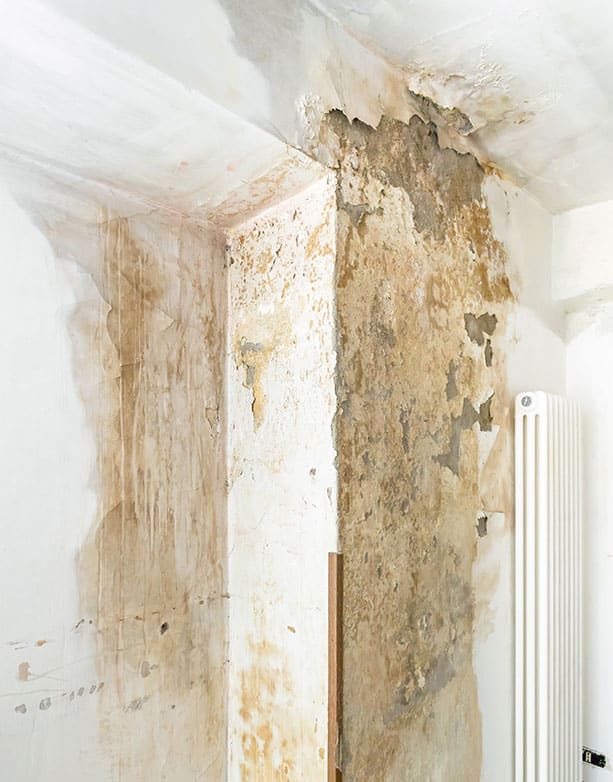
Water damage can be a major setback for any commercial property and business, causing loss of revenue and productivity. But fear not; Coastal Property Restoration has got your back with skilled technicians and reliable water damage restoration services. As a savvy business owner, however, it's important for you to stay vigilant and look out for early signs of water damage to your property so you can take action before it becomes a major problem.
It's important to thoroughly inspect the piping both inside and outside the building. Pay close attention to any signs of oxidation or corrosion around pipe fixtures, and don't forget to check your water heater for rust as well. If you do notice corrosion or rust, it could be an indication of a water leak that needs to be addressed promptly.

Mold can begin to grow less than 24 hours after water has compromised your business. If you see any signs of mold growth where there have been leaks, contact Coastal Property Restoration ASAP to diagnose the problem.
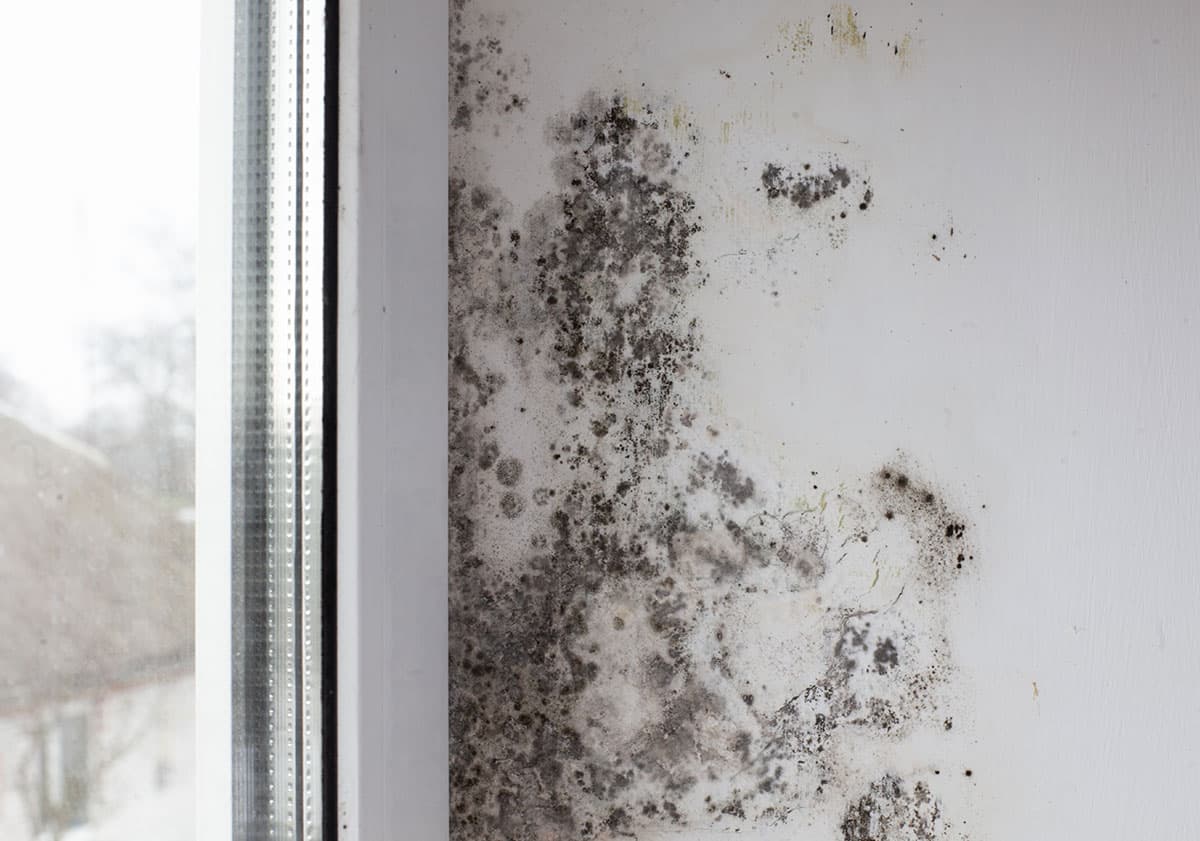
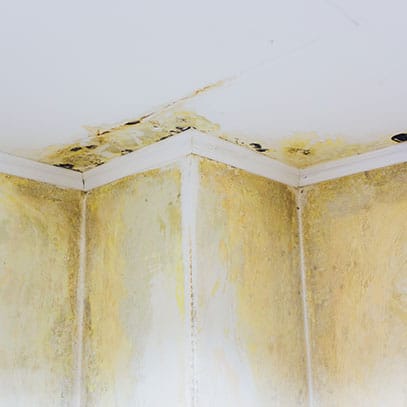
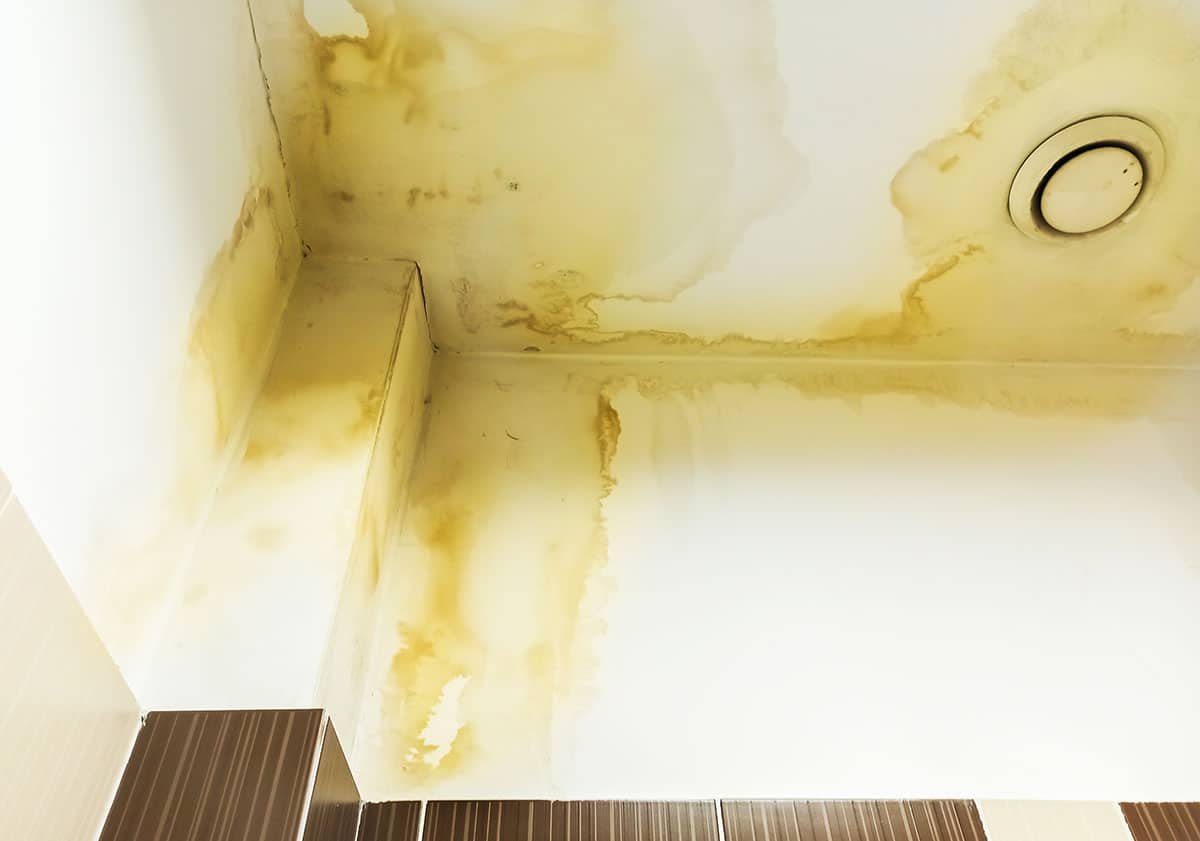
Water damage can usually be identified in businesses by dark spots on walls and ceilings, with older damage likely showing rings around the stain. Multiple rings with varying shades may indicate an intermittent problem, where the area has been repeatedly soaked and dried.
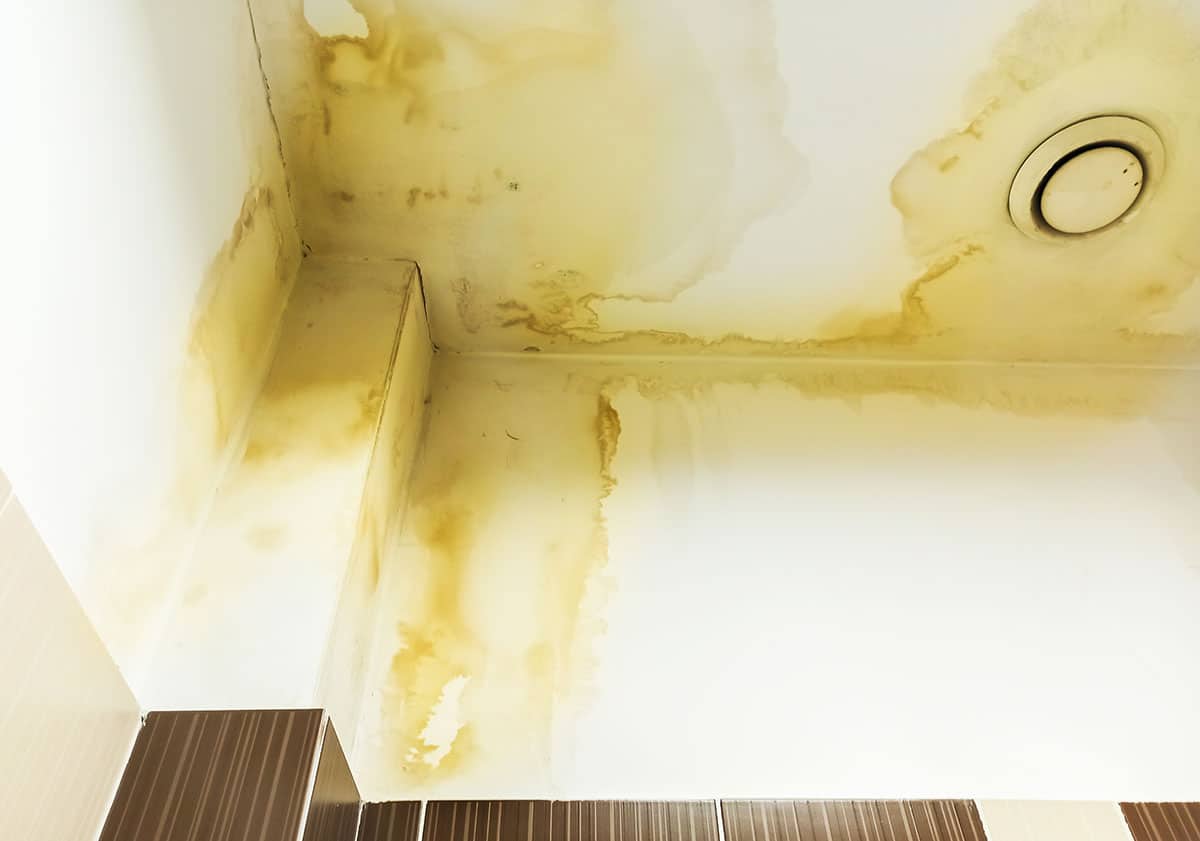
As the owner of commercial property, it's important to stay aware of your building's pipe system. Being knowledgeable about what's old and new, and identifying areas at risk for water damage is key. Areas with a higher potential for leaks, especially during rainstorms, should be monitored closely.
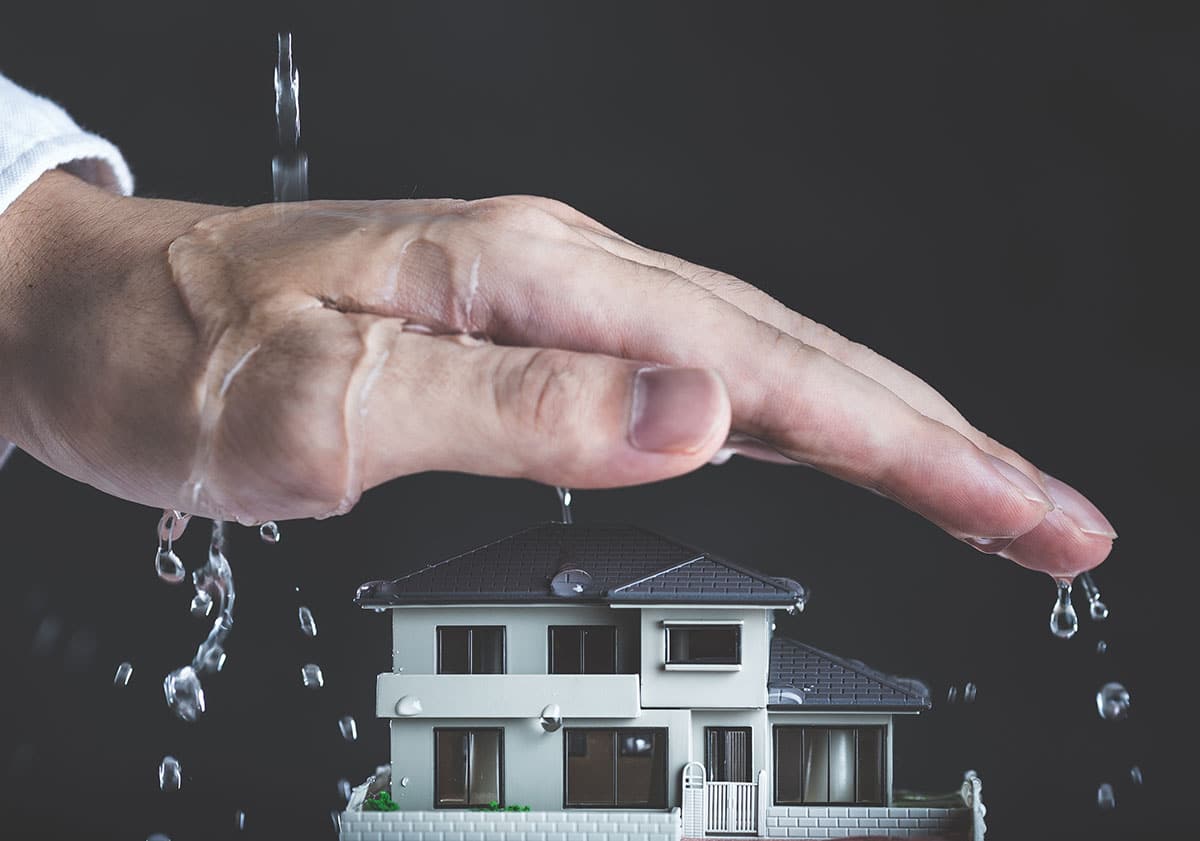
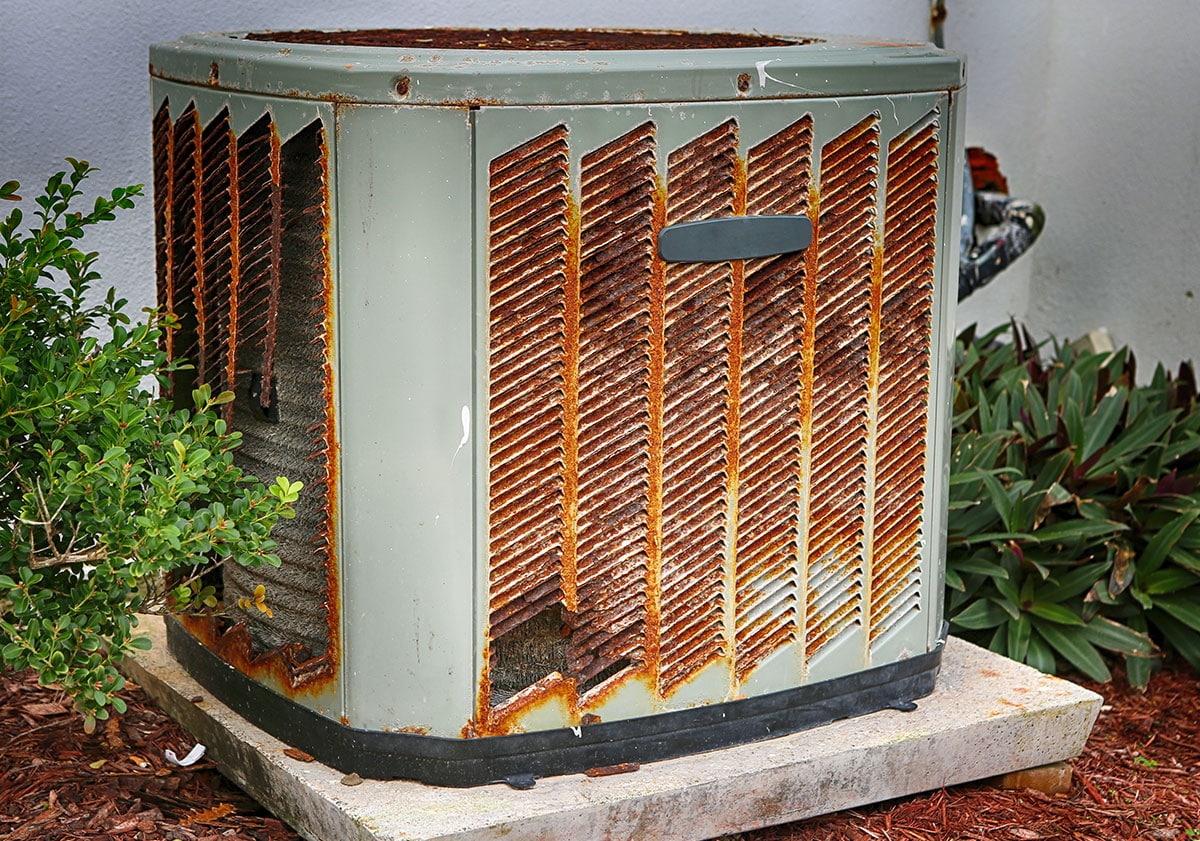
When a commercial property owner observes rust on equipment or AC units of a building, it is highly probable that water damage is the root cause. This could be an indication of an unaddressed old leak in the vicinity. It is crucial for property owners to seek assistance from a specialist to assess the extent of the damage.
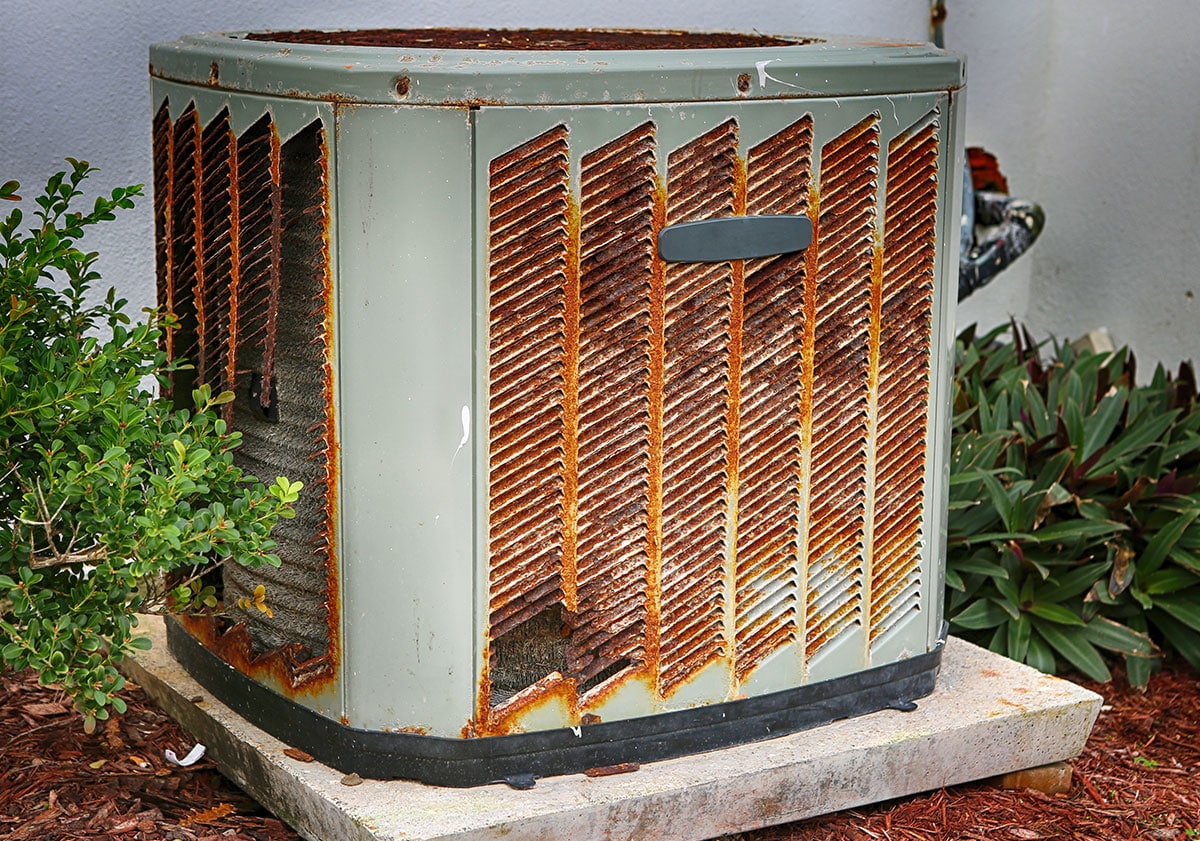
It's important to thoroughly inspect the piping both inside and outside the building. Pay close attention to any signs of oxidation or corrosion around pipe fixtures, and don't forget to check your water heater for rust as well. If you do notice corrosion or rust, it could be an indication of a water leak that needs to be addressed promptly.

Mold can begin to grow less than 24 hours after water has compromised your business. If you see any signs of mold growth where there have been leaks, contact Coastal Property Restoration ASAP to diagnose the problem.
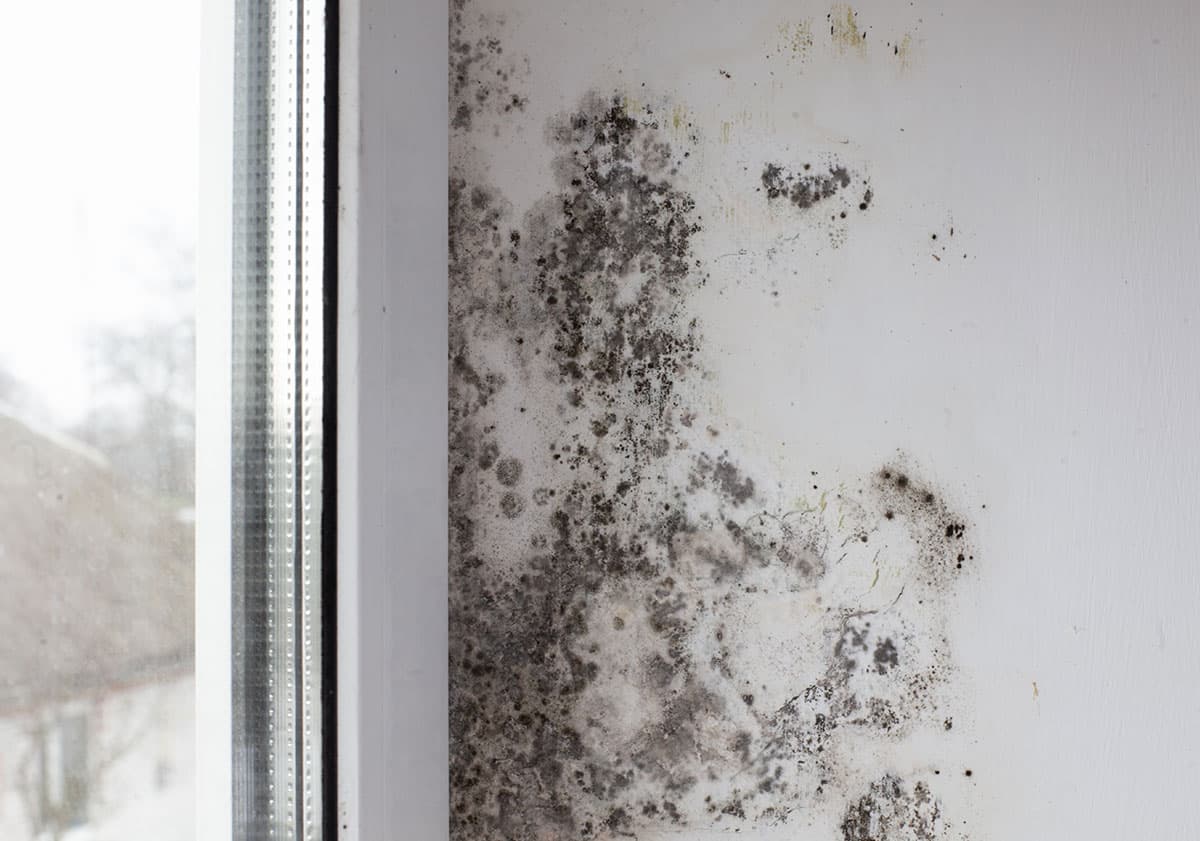
Water damage can usually be identified in businesses by dark spots on walls and ceilings, with older damage likely showing rings around the stain. Multiple rings with varying shades may indicate an intermittent problem, where the area has been repeatedly soaked and dried.
As the owner of commercial property, it's important to stay aware of your building's pipe system. Being knowledgeable about what's old and new, and identifying areas at risk for water damage is key. Areas with a higher potential for leaks, especially during rainstorms, should be monitored closely.
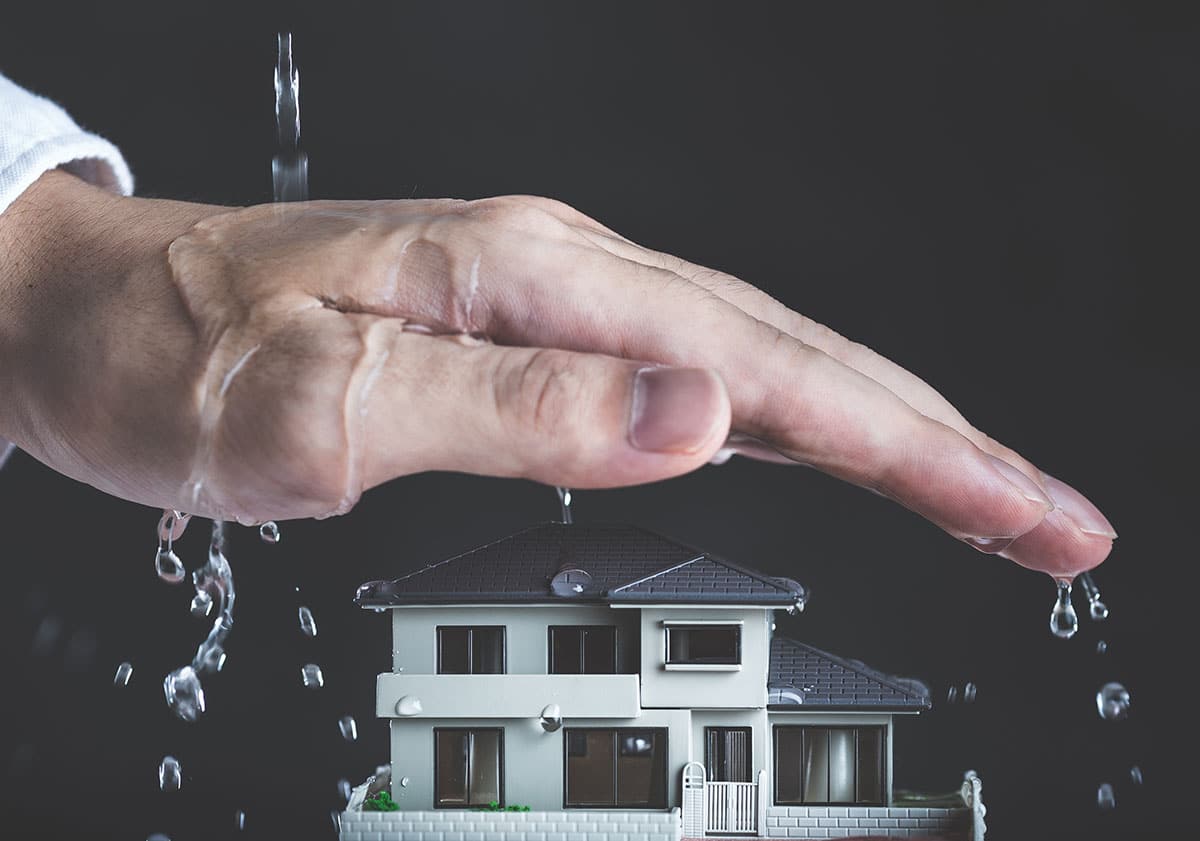
When a commercial property owner observes rust on equipment or AC units of a building, it is highly probable that water damage is the root cause. This could be an indication of an unaddressed old leak in the vicinity. It is crucial for property owners to seek assistance from a specialist to assess the extent of the damage.
Effective water damage clean-up is an essential process that requires a high level of expertise to ensure your property sustains minimal damage. Selecting the best water remediation company is equally important, especially when it comes to the health of your family or your customers. Whether your kitchen is full of standing water because your dishwasher overflowed or your business is at risk because of an extensive pipe leak, our team of trained and certified experts is only a phone call away, 24 hours a day.
Contact our office to discover the Coastal Property Restoration difference and what separates our water damage mitigation company from others in South Carolina.
CHARLESTON, S.C. (WCBD) – The fifth North Atlantic right whale calf of the season was spotted near Sullivan’s Island last week.The Lowcountry Marine Mammal Network stated that South Carolina proves to be an important area for right whales and their newborn calves, which is a beacon of hope for this critically endangered species.Currently, there are 384 documented right whales, with fewer than 70 of them being reproducing females. Due to stress or a lack of food, these females may give birth every three to ten years....
CHARLESTON, S.C. (WCBD) – The fifth North Atlantic right whale calf of the season was spotted near Sullivan’s Island last week.
The Lowcountry Marine Mammal Network stated that South Carolina proves to be an important area for right whales and their newborn calves, which is a beacon of hope for this critically endangered species.
Currently, there are 384 documented right whales, with fewer than 70 of them being reproducing females. Due to stress or a lack of food, these females may give birth every three to ten years.
Last year, 11 documented calves were born, but as many as 20 have been born in other recent years, according to the Clearwater Marine Aquarium Institute.
Boat strikes, noise disturbances, entanglement, and habitat degradation are just a few of the difficulties North Atlantic right whales are up against.
Climate change is increasingly raising concerns for North Atlantic right whales. While the southeastern U.S. serves as their calving grounds, the northeastern U.S. is where they forage for food. However, changing ocean conditions, such as rising temperatures, are causing their food supply to shift outside of their typical areas. This situation is putting additional strain on right whales as they search for food in new locations, according to the South Carolina Aquarium.
“Right whales are precious and critically endangered. They are also essential to the ocean, environment, and ecosystem. It’s our responsibility to keep the last ones safe so they don’t disappear forever,” said Lauren Rust, the executive director of the Lowcountry Marine Mammal Network.
The South Carolina Aquarium provides several ways to protect valuable species. These include respecting their habitats by keeping a safe distance, properly disposing of your fishing gear and other litter, and reporting any stranded whales to the South Carolina Department of Natural Resources at 1-800-922-5431.
Shipwrecks frequently get lost, but a search for four missing Civil War blockade runners off South Carolina has come to the unusual conclusion that at least three are now buried on land.The fourth one is still unaccounted for off Fort Moultrie, but it’s also likely buried, according to the S.C. Maritime Research Division.“Historical records indicate that several American Civil War blockade runners wrecked in the shallow waters around the fort, but their exact locations were forgotten,” the division reported in...
Shipwrecks frequently get lost, but a search for four missing Civil War blockade runners off South Carolina has come to the unusual conclusion that at least three are now buried on land.
The fourth one is still unaccounted for off Fort Moultrie, but it’s also likely buried, according to the S.C. Maritime Research Division.
“Historical records indicate that several American Civil War blockade runners wrecked in the shallow waters around the fort, but their exact locations were forgotten,” the division reported in a social media post.
“Because Sullivan’s Island has been marching steadily southward ... since the construction of the Charleston Harbor jetties, what once was water for ships to wreck in is now dry land. The remains of these vessels are now buried deep below the beach and adjacent woodlot.”
The buried “magnetic anomalies” were found with the help of drones fitted with magnetometers, S.C. underwater archaeologist James D. Spirek told McClatchy News in an email.
“We launched aerial drone magnetometry over the suspected locations of the four wrecks. After a bit of adjusting to the magnetics, we believe we have located at least two or three of them: the Celt and either the Beatrice or Flora ... or both of them, as they lay close together,” Spirek said.
“I’m not sure why we didn’t locate the other one: Presto, as I know that it isn’t in the water. Back in 2001 and again in 2009, we had undertaken marine remote-sensing operations to locate these four and other blockade runners in the water. While detecting several adjacent to Bowman’s Jetty, we did not appear to locate the four. Which gave us the idea that they were now buried under the accreted beach.”
An analysis of their depth hasn’t yet been completed, but it’s estimated the three wrecks are “five feet or more” deep, he said.
“At high tide, most of the Celt would be underwater, but the Beatrice/Flora would still be dry,” he said.
The Celt was a sidewheel paddle steamer that ran ashore while trying to leave the harbor, historians say. Union troops boarded the vessel and “found the back or keel of the hull broken and full of water, decks ripped apart, and the boilers below water along with the machinery, and deemed it worthless to recover,” Civil War Traveler reports. A cargo of cotton was also found and salvaged to be taken North, the site says.
The survey was intended to find the wrecks so they can be protected, officials said. No further archaeological work is planned to find out exactly what survives in the ground.
However, additional drone surveys are planned to determine whether both the Beatrice and Flora were found, Spirek said.
The island in Charleston Harbor was the “first line of defense” for Charleston during the Civil War, and is now part of the National Park System, along with nearby Fort Sumter. The harbor played host to “a protracted struggle from 1861 to 1865 between Confederate defenders and Federal attackers,” the University of South Carolina reports.
Blockade runners were private vessels that worked to sneak cargo through Union blockades of southern ports like Charleston. Wrecks of the ships are today considered “nationally significant cultural resources,” historians say.
Just a twenty minute drive from Charleston’s stoic steeples and stately single houses, Sullivan’s Island, with its storybook cottages and pristine beach, is the charmingly sun-bleached answer to the Holy City’s pomp and circumstance. Sullivan’s is also a secret locals are keen to keep. The small island measures only two and a half miles long, but the town punches well above its weight when it comes to natural beauty, historical significance, curb appeal, and places to eat, drink, and shop. Here are the best things to ...
Just a twenty minute drive from Charleston’s stoic steeples and stately single houses, Sullivan’s Island, with its storybook cottages and pristine beach, is the charmingly sun-bleached answer to the Holy City’s pomp and circumstance. Sullivan’s is also a secret locals are keen to keep. The small island measures only two and a half miles long, but the town punches well above its weight when it comes to natural beauty, historical significance, curb appeal, and places to eat, drink, and shop. Here are the best things to do on Sullivan’s Island.
With 2.5 miles of Atlantic Ocean-fronting shoreline, Sullivan’s Island’s main draw is its pristine shoreline, a wide sandy stretch prime for sandcastle-building and sunbathing. Called “Stations” as a nod to the trolley line that once ran in the area, the island’s wayfaring points also serve as easy meet-ups for beach access. Each station has its perks: If you want to stay close to the main drag of Middle Street, with all of its restaurants and shops, Stations 21, 22, and 22 ½ are your best bets; If you want to be a little farther from the action and close to the lighthouse, try Station 18 ½.
Connecting the Charleston Light (the iconic black-and-white lighthouse) to Fort Moultrie (the Revolutionary War-era fort that’s now a National Historic Park), this two-mile trail winds through the island’s maritime forest for a different perspective of the spot’s natural beauty.
The Lowcountry is shrimp country, and at this fish-camp-inspired restaurant, you’ll find the best local ones, pulled straight from nearby Shem Creek. Try them fried with garlic aioli or stirred into fried Carolina Gold rice with fresno chilis and XO sauce. If you’ve got a thirsty crew, wash it all down with the Big Fish Jug of Margs.
sullivansseafoodandbar.com; 2019 Middle St., Sullivan's Island, SC 29482
With a menu inspired by local, seasonal ingredients and surrounds informed by the area’s maritime culture, the self-proclaimed “eclectic Southern” restaurant isn’t dishing what you’d necessarily expect for beach-town fare. That’s due largely in part to its chef, two-time James Beard Award nominee Jacques Larson, whose menu includes house-made pastas and “Lowcountry frites,” polenta fries served with comeback sauce. Not in the mood to come off the beach for dinner? Pick up a wood-fired pizza for a sunset picnic on the sand.
theobstinatedaughter.com; 2063 Middle St., Sullivan's Island, SC 29483
The sister restaurant to concepts first born in St. John and St. Thomas in the U.S. Virgin Islands, The Longboard celebrates seafood in its freshest, lightest forms, with dishes like poke bowls, ceviche, and sushi wraps. Don’t miss Oyster Happy Hour (weekdays 11 a.m. to 5 p.m. and weekends 3 p.m. to 5 p.m.), with its rotating selection of the bivalves, served raw, grilled, dressed, or as shooters.
thelongboardsullivans.com; 2213-B Middle St., Sullivan's Island, SC 29482
When you’ve tired of seafood, settle into this local favorite for a pulled pork sandwich or perfect smoked wings. Better yet, order “The Board” for your crew of beach bums; it’s a sampler of wings, sausage, ribs, pulled pork, and turkey, served with a trio of their memorable sides, like the mac & cheese or collard greens. Be sure to try their signature sipper, the Gamechanger, a frozen fruity concoction with two kinds of rum. They even sell the mix, should you want to make it at home.
hometeambbq.com; 2209 Middle St.; Sullivan’s Island, SC 29482
So named for Edgar Allen Poe, the famed poet who was stationed on Sullivan’s Island with the U.S. Army in 1827 and 1828, the gastropub is the town’s destination for burgers and fish tacos. Roll off the beach in your cover-up and flip flops for lunch at one of the umbrella-shaded picnic tables out front.
poestavern.com; 2210 Middle St., Sullivan’s Island, SC 29482
Rethink the kitschy airbrushed-tee-filled surf shops you’re accustomed to seeing in beach towns. Generally speaking, that’s not the vibe on Sullivan’s, but especially not at this thoughtfully curated boutique, where Vogue veteran and owner Katie Poole sells effortlessly stylish women’s clothing (think hand-blocked prints and flirty silhouettes) and accessories, along with some kids’ offerings.
bennieandcoco.com; 2213 Middle St., Sullivan's Island, SC, 29482
Forget the stuffy gallery experiences you’ve had in the past. At this spot on the island’s main drag, you can shop everything from paintings to ceramics. And given that the welcoming spot highlights pieces at a variety of prices, you’re sure to find a memorable keepsake of your time in the Lowcountry. And should you make a detour to Charleston, be sure to visit its downtown counterpart Dare Gallery, on Broad Street, which has a contemporary sculpture garden.
sandpipergallery.net; 2201 Middle St., Sullivan's Island, SC, 29482
Shop handmade jewelry by SCAD grad Ashley Reid Martin, along with other giftable finds, like natural beauty finds and hand-painted greeting cards, at this bright and airy outpost that’s positioned in the middle of all the action.
shopgoldbug.com; 2205-E Middle St., Sullivan's Island, SC 29482
This special community gathering spot has a little something for everybody, peddling a wide-ranging collection of art and home and garden goods. Plus, they offer plant-potting services for the green-thumb-challenged and host creative events like sourdough workshops and Mahjong lessons.
makers-post.com; 2019 B. Middle St., Sullivan's Island, SC 29482
First settled in the late 17th century, Sullivan’s Island has its own Historic District that’s listed on the National Register. Stroll Middle Street, I’on Avenue, and Central Avenue between Stations 17 and 18 ½ to see private homes that once served as both military properties and residential dwellings and were built between 1870 (like the Dr. John B. Patrick House on Middle Street) through about 1950 (like the Fort Moultrie Chapel on Central Avenue, built in 1944). For true, stop-in-your-stroll cottage charm, make sure to walk past circa-1900 1808 I’On Avenue—a prime example of the architectural type. (Just don’t stare or linger for too long! It’s a private residence.)
Built in 1962 and officially called the Charleston Light, the black-and-white lighthouse that rises above the beach has become synonymous with the island—with most locals referring to it as the Sullivan’s Island Lighthouse. While it’s not open to the public, you can read the explanatory markers on your way to the beach at Station 18 ½. It also makes for a great photo opp from the sand.
Still under construction as the Revolutionary War began, this coastal garrison (the island’s first) was notably built from palmetto logs and sand. Even so, the British advance was thwarted by the defensive efforts there, saving Charleston from a 1776 occupation (it eventually fell in 1780) and it was renamed for its victorious Commander William Moultrie. The original fell into disrepair, as did the second that was built in its place. Finally, a third brick iteration was completed in 1809. It served as a garrison for the Federal troops, and once they abandoned it, by the Confederacy. It was modernized in the 1870s and was used until World War II. Operated by the National Park Service, it’s worth a visit for anyone interested in military history, as it’s been restored to showcase its various functions from 1809 to 1947.
nps.gov; 1214 Middle St., Sullivan's Island, SC 29482
Dear Island Neighbors,I hope your holidays were enjoyable and your new year is off to a very promising beginning.The start of the year is a perfect time to make sure you’re on top of Town information. You can see the options, and sign up for them, at: https://sullivansisland.sc.gov/residents/town-notification-sign-ups . In particular, please note the Everbridge Emergency Notification System that sends text and/or email alerts concerning road closures, severe weather updates, emergency water main breaks, public works proje...
Dear Island Neighbors,
I hope your holidays were enjoyable and your new year is off to a very promising beginning.
The start of the year is a perfect time to make sure you’re on top of Town information. You can see the options, and sign up for them, at: https://sullivansisland.sc.gov/residents/town-notification-sign-ups . In particular, please note the Everbridge Emergency Notification System that sends text and/or email alerts concerning road closures, severe weather updates, emergency water main breaks, public works projects and other pertinent information.
Also, please make sure that our Water and Sewer Department has your current phone number for any needed emergency contact when you’re not home. They won’t be able to reach you if all they have is your former land line number, and if you’ve got water spewing from a busted pipe under your house, time is money. Please contact Mary Poole, our Administrative Specialist who handles water and sewer billing. You can call her at 843 883 5733 or email her at mpoole@sullivansisland.sc.gov .
2025 WAS A BUSY YEAR!
This is a logical time to look back on the last year and note the many accomplishments of our great Town staff. Needless to say, while we hit these milestones in 2025, most of them were the results of efforts begun in earlier years.
Flooding Prevention, Stormwater Management and Resilience:
Town Capital Improvements:
Budgeting Processes and Communication:
Public Safety:
Land Use and Natural Resources:
I’m looking forward to our 2026 accomplishments, but until then...
...see you around the Island!
Pat O’Neil Mayor
843-670-9266
oneilp@sullivansisland.sc.gov
South Carolina is often associated with headline destinations like Charleston and Myrtle Beach, but beyond those familiar names lies a collection of towns that quietly deliver just as much character and cultural depth. These overlooked communities offer travelers a chance to experience the state at a slower, more personal pace while still enjoying meaningful attractions, local history, and memorable scenery. From coastal fishing villages to mountain foothill towns, each place tells a different story about South Carolina’s past and pres...
South Carolina is often associated with headline destinations like Charleston and Myrtle Beach, but beyond those familiar names lies a collection of towns that quietly deliver just as much character and cultural depth. These overlooked communities offer travelers a chance to experience the state at a slower, more personal pace while still enjoying meaningful attractions, local history, and memorable scenery. From coastal fishing villages to mountain foothill towns, each place tells a different story about South Carolina’s past and present. Many of these towns reward visitors with walkable downtowns, preserved historic sites, and locally owned restaurants that reflect regional traditions. For travelers who value authenticity, fewer crowds, and destinations that feel genuinely lived in, these South Carolina towns are well worth the detour.
Landrum is a small foothills town that serves as a gateway to outdoor exploration while maintaining a distinctly relaxed pace. The walkable downtown features antique stores, cafes, and galleries that invite visitors to browse without crowds. One of these examples, Stone Soup Market & Cafe, is a locally favored establishment serving up American cuisine from breakfast to dinner. One of the area’s most notable landmarks is Campbell’s Covered Bridge, a short drive from town and one of the last remaining covered bridges in South Carolina. Nature-focused travelers are also drawn to nearby hiking areas such as the Blue Wall Nature Preserve, where trails offer scenic views and quieter access to the Blue Ridge foothills.
Seasonal festivals and farmers' markets like Hogback Mountain Day highlight regional crafts and local food, giving visitors a chance to connect with the community. Landrum’s location near the North Carolina border also makes it a convenient stop for road trippers exploring the Carolinas. Landrum is worth visiting because it pairs outdoor access with small-town hospitality, offering an alternative to more commercial mountain destinations.
McClellanville is a working fishing village that offers a rare glimpse into South Carolina’s coastal traditions without the polish of a resort town. Shrimp boats line Jeremy Creek, giving visitors a firsthand look at the seafood industry that still anchors the local economy. A visit to the McClellanville Historic District reveals well-preserved homes and churches that date back to the eighteenth and nineteenth centuries, offering insight into the town’s seafaring past.
Nature lovers are drawn to the nearby Cape Romain National Wildlife Refuge, where visitors can explore coastal ecosystems through wildlife viewing, kayaking, and birdwatching. Local dining is another highlight, with restaurants like T.W. Graham & Co. serving fresh seafood that reflects the day’s catch. McClellanville is worth visiting for travelers seeking a genuine Lowcountry experience that feels rooted in tradition rather than tourism trends.
Offering a coastal experience that feels intentionally preserved, Edisto Island is especially appealing to travelers who want nature, history, and local culture without heavy development. One of the island’s main attractions is Edisto Beach State Park, where visitors can access quiet beaches, walk through maritime forests, and use well-maintained trails for hiking and biking. The park also features educational programs that highlight coastal ecosystems, making it a rewarding stop beyond simple beach time. History plays a strong role on the island, particularly at the Edisto Island Museum, which explores Gullah Geechee heritage, plantation life, and the island’s Reconstruction era through thoughtfully curated exhibits.
For outdoor exploration, the surrounding creeks and tidal waterways are ideal for kayaking and wildlife viewing, with dolphins and coastal birds frequently spotted. Food-focused travelers will appreciate the island’s connection to the sea, with stops like Whaley’s Restaurant & Bar offering locally sourced seafood that reflects daily catches. To grasp a better feel for the local cuisine, stop by Kings Farm Market, a grocery store with locally farmed items and pies and desserts worthy of a trip. Edisto Island is worth visiting because it prioritizes authenticity over convenience, allowing travelers to slow down, learn about Lowcountry history, and enjoy South Carolina’s coast in a way that feels grounded and intentional rather than commercialized.
Beaufort stands out as one of South Carolina’s most historically rich coastal towns, offering travelers an experience that blends preserved architecture, waterfront scenery, and meaningful cultural context. The Beaufort Historic District is central to the town’s appeal, where visitors can walk beneath moss-draped oaks and view antebellum homes that reflect Beaufort’s role during the Civil War and Reconstruction. History is further explored at the John Mark Verdier House, which provides guided tours that explain daily life in the early nineteenth century and the impact of wartime occupation. Along the water, Henry C. Chambers Waterfront Park offers scenic views of the Beaufort River and serves as a gathering place for locals and visitors alike.
Beaufort also works well as a base for exploring Hunting Island State Park, where travelers can climb the historic lighthouse, enjoy uncrowded beaches, and walk maritime forest trails. Dining in Beaufort highlights Lowcountry flavors, with restaurants emphasizing fresh seafood and regional recipes. Beaufort is worth visiting because it delivers depth and walkability, allowing travelers to engage with coastal history while enjoying easy access to nature and a strong local food scene.
Pendleton is a small town that offers a concentrated dose of Upstate South Carolina history and walkable charm. Its historic town square is anchored by buildings that date back to the late eighteenth century, including Ashtabula, one of the state’s oldest surviving homes. The Woodburn Historic House, also known as The Woodburn Plantation, provides a deeper context for early settlement and agricultural life in the region.
Pendleton’s proximity to Clemson University adds subtle energy while keeping the town itself calm and uncrowded. Visitors can enjoy local cafes and antique shops before heading to nearby Lake Hartwell for boating and outdoor recreation. Pendleton is worth visiting for those interested in early American history, paired with small-town accessibility and easy access to both cultural and natural attractions.
Laurens offers a compelling travel experience rooted in Revolutionary War history and a steadily revitalized downtown district. The town’s historical narrative is best explored at the Laurens County Museum, which documents Indigenous history, early settlement, and industrial growth through curated exhibits. Just outside town, the Battle of Musgrove Mill State Historic Site allows visitors to walk interpretive trails and learn about one of the region’s most important Revolutionary War battles.
Downtown Laurens has become a destination in its own right, anchored by community events and local businesses throughout the year. Locales like The Artist's Co-op provide a glimpse into the art of local artists, with the help of volunteers who unite the community. Nearby, Lake Rabon offers a boat ramp, fishing pier, picnic shelters, and more to enjoy a beautiful day outdoors. The town is worth visiting because it balances historical depth with visible renewal, offering visitors a chance to experience a place that honors its past while actively shaping its future.
Shaped by education, green space, and a growing arts presence, Hartsville offers travelers a well-rounded small-town experience that goes beyond a quick stop. The influence of Coker University is visible throughout town, contributing to cultural programming, events, and a youthful but balanced energy. One of Hartsville’s most notable attractions is Kalmia Gardens, a protected natural area featuring walking trails, seasonal blooms, and native plant species that highlight the Pee Dee region’s ecology.
For those interested in local history and creativity, the Hartsville Museum provides insight into the town’s development, while the restored Center Theater hosts films, performances, and community events that anchor downtown life. Hartsville’s manageable size and thoughtful mix of attractions make it especially appealing for travelers who enjoy college town culture without the congestion of larger cities. It is worth visiting for its blend of education, nature, and arts, all woven into a town that feels active yet comfortably paced.
Rather than competing with nearby resort hubs, Garden City succeeds by offering a calmer, more approachable version of South Carolina’s coast. The town centers around the Garden City Pier, a longtime gathering place where visitors can fish, enjoy live music, or take in sweeping ocean views without the crowds typical of larger beachfront destinations. The shoreline itself feels more residential, attracting travelers who value space, walkability, and a quieter atmosphere. Just a short drive away, the Murrells Inlet MarshWalk expands dining options with waterfront restaurants known for fresh seafood and Lowcountry staples. Here, you can also explore Brookgreen Gardens, a botanical garden with life-sized sculptures and a zoo with local animals.
Outdoor recreation plays a major role here, with opportunities for paddleboarding, fishing charters, and dolphin watching in the surrounding marshes and tidal creeks. Before leaving, be sure to stop by The Gulf Stream Cafe, a seafood and steak eatery with live music and seasonal oyster roasts. Garden City is especially appealing for families and couples who want coastal amenities without an overly commercial setting. It is worth visiting because it delivers a classic beach experience that feels relaxed and lived in, offering both recreation and downtime in equal measure.
Positioned just outside Charleston, Sullivan’s Island offers a refined coastal escape where history, community, and natural beauty intersect. The island’s past is deeply embedded in its landscape, particularly at Fort Moultrie, where visitors can explore exhibits detailing centuries of military history from the Revolutionary War through the twentieth century. For those looking to take in the historic feel, visit the Edgar Allen Poe Library, a small branch library located in historic Battery Gadsden, a former military battery. Sullivan's Island Beach is another major draw, known for its wide shoreline, gentle waves, and notably uncrowded feel compared to nearby alternatives. Exploring the island by bike is popular, with flat roads and dedicated paths connecting residential areas to the waterfront.
Along Middle Street, visitors will find a curated mix of restaurants and casual eateries that prioritize quality and local ingredients rather than volume, such as Poe's Tavern, a popular restaurant named after the literary figure. Architectural preservation and zoning limits have helped maintain the island’s character, giving it a cohesive and intentional feel. Sullivan’s Island is worth visiting for travelers who want a coastal destination that offers more than scenery, combining walkable beaches, thoughtful dining, and meaningful historical context in one compact setting.
South Carolina’s overlooked towns reveal a side of the state that rewards curiosity and intentional travel. These destinations offer more than scenic backdrops, providing meaningful experiences rooted in history, local culture, and everyday life. Whether it is walking through a preserved historic district, exploring coastal wildlife refuges, or supporting locally owned businesses, each town invites visitors to engage more deeply with their surroundings. By venturing beyond the most publicized destinations, travelers gain a richer understanding of South Carolina’s regional diversity. These towns prove that some of the most memorable journeys come from places that quietly excel, offering authenticity, accessibility, and a strong sense of place.